Choosing a Pet Loss Tribute Portrait
May 6, 2026
A pet loss tribute portrait offers a graceful way to honor a beloved companion with custom art that preserves memory, personality, and love.
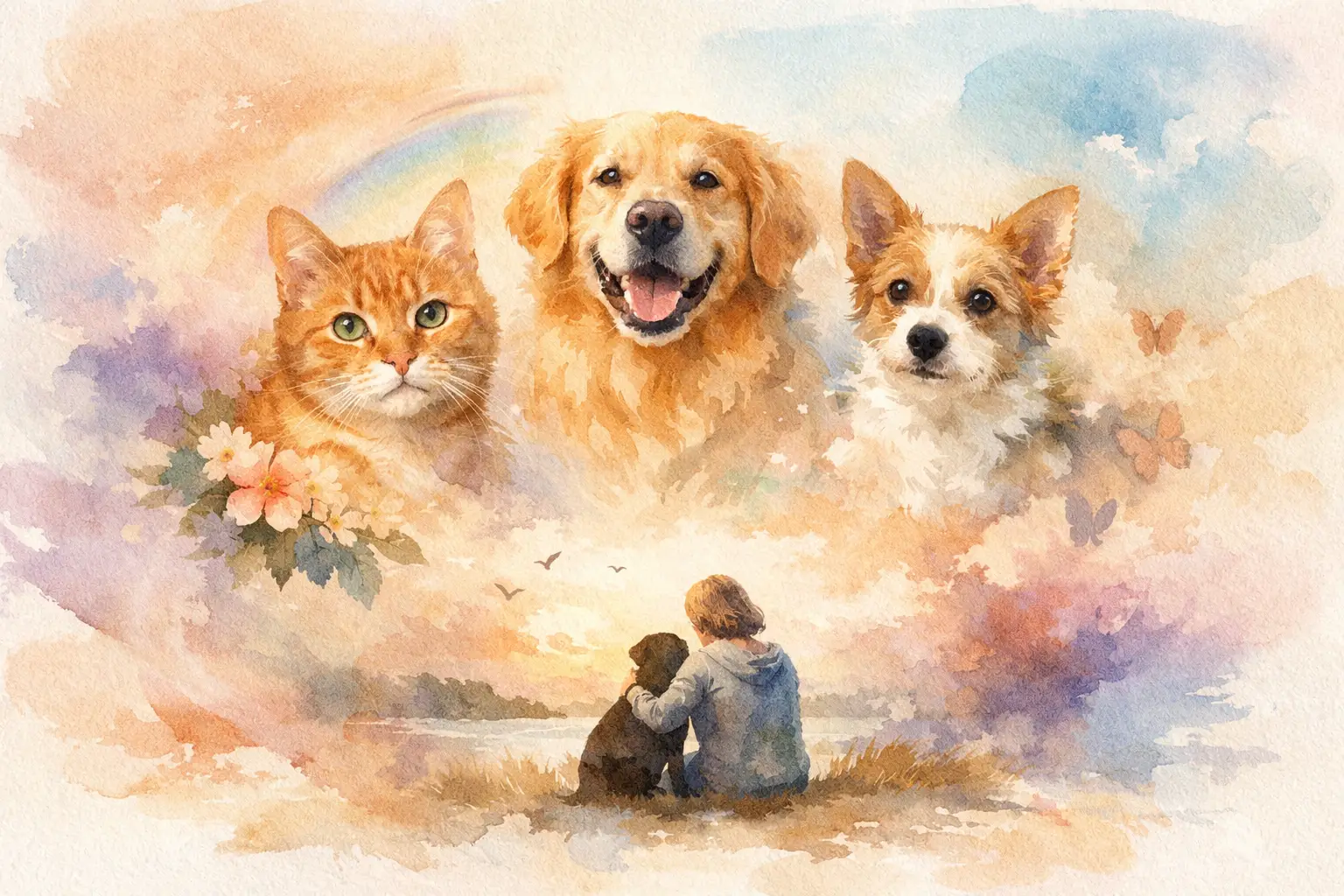
A pet loss tribute portrait is often chosen at a moment when photos feel too ordinary and words feel too small. After a beloved animal companion is gone, many people want something more lasting than a phone album and more personal than a generic memorial item. A thoughtfully made portrait gives memory a place to live.
What makes this kind of artwork meaningful is not just resemblance. It is presence. The right portrait captures the softness in an expression, the calm in a resting pose, or the alert warmth that made your pet unmistakably theirs. For many families, that distinction matters. They are not looking for decor. They are looking for a way to honor a life that shaped their home.
What a pet loss tribute portrait should feel like
Memorial art carries emotional weight, so style matters as much as accuracy. A tribute portrait should feel refined, calm, and deeply personal. It should never overwhelm the memory with effects or novelty. The best pieces create a sense of dignity while still reflecting the pet's individuality.
That balance is why watercolor-style portraiture appeals to so many grieving pet owners. It softens the image without losing detail. It adds artistry without making the result feel distant. The final piece can feel elevated enough for display, while still staying intimate.
A good memorial portrait also avoids a common mistake - treating grief as a design theme. Hearts, rainbow imagery, and overt symbolism may comfort some families, but for others they can feel too literal. Often, a clean and elegant portrait says more. It allows the pet to remain the focus.
Why a pet loss tribute portrait matters after loss
Grief after losing a pet is real, and it rarely follows a tidy timeline. Some people order a portrait within days because they need to do something tangible with their love. Others wait months, even years, until they are ready to choose an image and see it rendered as art. Both responses are valid.
What a portrait offers is a different kind of closeness. It turns a memory into an object you can return to. Hung in a hallway, placed in a study, or printed for a bedside frame, it becomes part of the home rather than a file buried in storage. That physical presence can be quietly comforting.
It can also help families share remembrance. A memorial portrait often becomes something everyone in the household recognizes immediately as true to the pet. It invites stories. It brings back routines, habits, and small details that made that life so cherished.
For some, the portrait is private. For others, it is a gift to a partner, parent, child, or friend who is grieving. In either case, the value is the same - it honors the bond with care rather than trying to replace it.
Choosing the right photo for a tribute portrait
The finished portrait can only be as strong as the source image allows, so photo selection deserves attention. The best choice is not always the most recent photo, and it is not always the most technically perfect one either. What matters most is whether it feels like your pet.
Look for an image with clear facial detail, natural lighting, and an expression you instantly recognize. The eyes are especially important. They carry much of the emotional presence in memorial artwork, so a sharp, well-lit photo often leads to the strongest result.
If your favorite picture is imperfect, that does not automatically rule it out. A slightly older photo or a casual snapshot may still hold the most meaning if it reflects your pet's personality beautifully. The trade-off is that lower quality images can limit fine detail. When choosing between sentiment and clarity, it often helps to find the best possible balance of both.
Pose matters too. A front-facing or gently angled portrait usually feels timeless and composed. Full-body images can work well if posture was part of your pet's character, but they require enough resolution to preserve proportion and detail. Cropped or blurry photos may still have emotional value, though they are less predictable as the basis for polished artwork.
What to look for in a custom memorial portrait service
Not every custom portrait service is designed for remembrance. Some focus on playful novelty, fast filters, or broad gift categories. That can be fine for lighthearted pet art, but memorial work calls for a different standard.
First, look at the artistic style. It should feel elevated enough to honor loss and versatile enough to fit beautifully into a home. A museum-quality watercolor approach tends to work especially well because it balances softness and structure.
Second, consider the final deliverable. A high-resolution, print-ready digital file gives you flexibility. You can choose the frame, size, and paper that fit your space and taste. That is often more useful than being locked into one print format, especially if you want to create more than one display piece for different family members.
Turnaround time matters more than many people expect. Traditional hand-painted commissions can take weeks or months. For some customers, that timeline is acceptable. For others, especially those in active grief or shopping for a meaningful sympathy gift, waiting can feel difficult. A clear five-business-day turnaround offers a more immediate path without sacrificing polish.
Price matters too, though not only in the obvious sense. Memorial purchases are emotional, and overly complex pricing can create friction at a vulnerable time. A straightforward rate helps people make a decision with confidence. At $149, a custom digital tribute portrait sits in a thoughtful middle ground - more elevated than mass-market pet decor, more accessible than many traditional painted commissions.
The value of digital delivery
A digital portrait can sound less ceremonial than a physical print, but in practice it offers meaningful advantages. It gives you control over how the artwork is displayed, whether that means fine art paper, a framed print for a mantel, or multiple copies for family members.
It also removes a layer of delay. Once the file is delivered, you are free to print on your own timeline and according to your own preferences. Some people want a large statement piece right away. Others begin with a smaller frame and decide later to create a second version. Digital delivery makes that possible.
There is also a quiet practicality to having the artwork preserved as a high-resolution file. It remains available if you move, redecorate, or want to create another print in the future. For a legacy piece, that flexibility has real value.
A portrait can be about celebration, not only grief
Although the phrase pet loss tribute portrait speaks directly to memorialization, many people begin the process before loss. They choose a portrait while their pet is still with them because they already know the bond deserves to be preserved with intention.
That choice can be deeply comforting later. It removes pressure from a time of grief and allows the portrait to begin as a celebration of life rather than a response to absence. There is no single right moment to commission meaningful pet art. The right time is simply when you want to honor the relationship in a lasting way.
This is part of what makes memorial portraiture so enduring. It does not ask you to choose between love and loss. It makes room for both. The artwork can hold joy, gratitude, personality, and remembrance at once.
At Pet Legacy Portraits, that balance is central to the work. The goal is not to create something dramatic. It is to create something worthy - a refined watercolor portrait that feels personal, print-ready, and lasting.
If you are considering a tribute portrait, trust the image that brings your pet back to you most clearly. The right artwork will not try to say everything. It will simply give your love a beautiful place to remain.