Dog Portraits That Feel Personal and Last
June 25, 2026
Dog portraits can hold personality, memory, and love in one image. Learn what makes them feel meaningful, timeless, and truly personal.
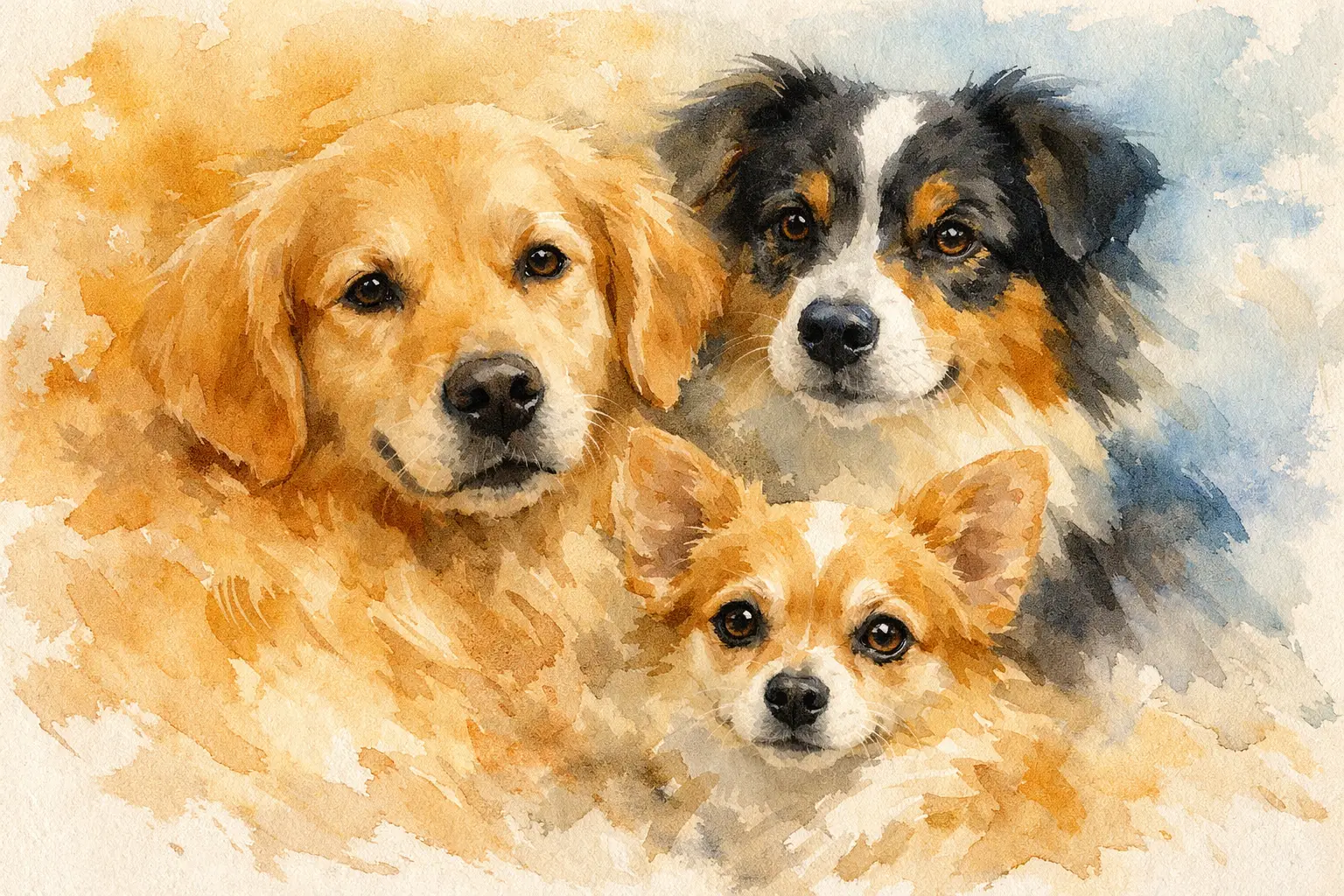
Some dogs never sit still long enough for a perfect photo. Others have one look - proud, curious, gentle, mischievous - that tells you everything the moment you see it. That is why dog portraits matter. They are not just about appearance. They are about preserving presence, personality, and the feeling of being known.
A meaningful portrait does more than show a dog’s face. It reflects the relationship behind it. For some people, that means celebrating a companion who still waits at the door each evening. For others, it means creating a memorial that feels dignified, comforting, and true. In both cases, the best portrait is not generic. It feels unmistakably like your dog.
What makes dog portraits worth keeping
A good photo captures a moment. A strong portrait captures character. That distinction matters when you want something that lasts beyond a phone gallery or social post.
The difference usually comes down to intention. A portrait asks a more personal question: what do you want this piece to remember? Sometimes the answer is visual - the soft ears, the alert posture, the white around the muzzle that arrived with age. Sometimes it is emotional - the steadiness of a senior dog, the spark of a young rescue finally feeling safe, the sweetness that made everyone in the family love them on sight.
That is why dog portraits often become more important over time. They start as beautiful artwork, but they often grow into keepsakes. They mark a season of life, honor a bond, or preserve details you already know you never want to forget.
The most meaningful dog portraits feel specific
The portraits people return to are rarely the ones that look polished but impersonal. They are the ones that carry a clear sense of identity.
Specificity changes everything. A Labrador is not just a Labrador. He is the dog who carried tennis balls everywhere and slept with one paw hanging off the couch. A terrier is not just expressive. She is sharp-eyed, slightly stubborn, and impossible not to laugh at. When a portrait reflects that kind of truth, it stops feeling decorative and starts feeling intimate.
This is also why a guided creation process matters. Many pet owners do not want to sort through endless creative choices or learn complicated tools. They want a clear, thoughtful way to translate what they love most about their dog into art. The best experience gives structure without taking away authorship. You are still the one making the portrait, because you are the one who knows your dog best.
Choosing the right image for a portrait
Not every favorite photo becomes the strongest portrait. Sometimes the image you love emotionally is not the one that translates best visually.
The best starting photos usually have clear lighting, visible facial detail, and an expression that feels natural. Eye contact can be powerful, but it is not essential. A side profile can feel noble and calm. A relaxed seated pose can create warmth. A close crop can highlight expression, while a slightly wider composition can preserve a familiar stance or silhouette.
What matters most is honesty. If your dog was playful, the portrait should not feel overly formal. If your dog carried quiet dignity, a softer and more composed image may feel more fitting. There is no universal rule. The right choice depends on what you want to remember every time you see it.
For memorial portraits, that decision can feel especially tender. Many people worry about choosing the wrong photo. In reality, the right image is often the one that brings immediate recognition and peace. Not perfect. True.
Why watercolor works so beautifully for dog portraits
Some art styles are highly literal. Watercolor offers something gentler. It preserves recognizable detail while allowing warmth, softness, and emotion to come forward.
That balance is part of what makes watercolor such a strong choice for dog portraits. Fur can feel textured without becoming heavy. Expressions remain clear without looking stiff. The final image can feel elevated and timeless rather than overly sharp or mechanical.
Watercolor also suits both celebration and remembrance. For living pets, it creates something refined and full of life. For dogs being honored in memoriam, it offers grace. The result feels respectful without becoming somber.
This is especially important when the portrait is meant to live in your home for years. You want something beautiful enough to display and personal enough to matter. A museum-quality watercolor portrait carries both.
Portraits for living dogs and dogs being remembered
There is a quiet misconception that portraits are something people create only after loss. In truth, many of the most treasured portraits are made while a dog is still very much part of daily life.
Creating a portrait now can be an act of appreciation. It says this life, this companionship, this presence deserves to be honored while we are living it. It can mark a puppy growing into adulthood, a beloved senior dog, or simply a bond that has become central to the shape of a home.
Memorial portraits carry a different kind of weight, but they are no less creative. They offer a way to make space for grief without reducing a pet to sadness. The most meaningful memorial pieces do not focus only on absence. They preserve character, beauty, and love. They say: this dog was here, and this bond remains worth honoring.
Both kinds of portraits begin in the same place - attention. Looking closely. Choosing what matters. Creating something that feels worthy of the relationship.
Why the process matters as much as the final art
People often think only about the image they will receive. But with dog portraits, the creation process matters too.
When the experience is thoughtful and guided, it becomes more than a transaction. You are not simply ordering a product and waiting for someone else to interpret your pet. You are shaping the result yourself by choosing the photo, describing the personality, and deciding what feels most true.
That is part of what makes the portrait more emotionally resonant. The finished artwork carries your point of view. Your memory. Your love. The role of the platform is to make that process feel approachable and beautifully supported, not technical or overwhelming.
At Pet Legacy Portraits, that distinction is central. You are not buying a portrait. You are making one. For $47, you can create a museum-quality watercolor portrait through a guided experience, receive two download options, and regenerate until it feels right. That combination of immediacy and authorship makes the experience feel both accessible and deeply personal.
What to look for in a portrait experience
If you are choosing how to create dog portraits, quality matters, but so does emotional fit. A beautiful result should not come at the cost of feeling detached from the process.
Look for an experience that honors the significance of the piece. The style should feel elevated. The process should be simple. The outcome should be print-ready and immediate enough that you do not lose momentum once you decide to create it.
It also helps to consider how much creative control you want. Some people want a highly guided path because they are making a memorial piece and do not want added friction. Others want room to regenerate and refine until the expression, mood, and overall feel align with what they see in their mind. Neither preference is wrong. The best choice depends on whether you want speed, flexibility, or both.
Most of all, look for a result that feels emotionally accurate. A technically clean portrait that misses your dog’s spirit will never feel fully finished.
The lasting role of dog portraits in a home
The value of a portrait is not limited to the day you create it. It keeps working quietly over time.
It becomes the image that family members recognize instantly. The piece guests ask about. The artwork that holds a story without needing to explain itself. For some, it is a daily reminder of companionship and joy. For others, it is a gentle way to keep love visible after loss.
That staying power is what separates meaningful portrait art from something fleeting. When done well, it does not just represent a dog. It keeps a relationship present in a form you can return to again and again.
The best dog portraits are not trying to be everything at once. They simply tell the truth beautifully. And when a portrait does that, it becomes more than art on a wall. It becomes a lasting expression of love, created by the person who knew that dog best.