A Guide to Pet Memorial Art
June 10, 2026
A guide to pet memorial art that helps you choose a meaningful style, photo, and format to honor your companion with lasting beauty and care.
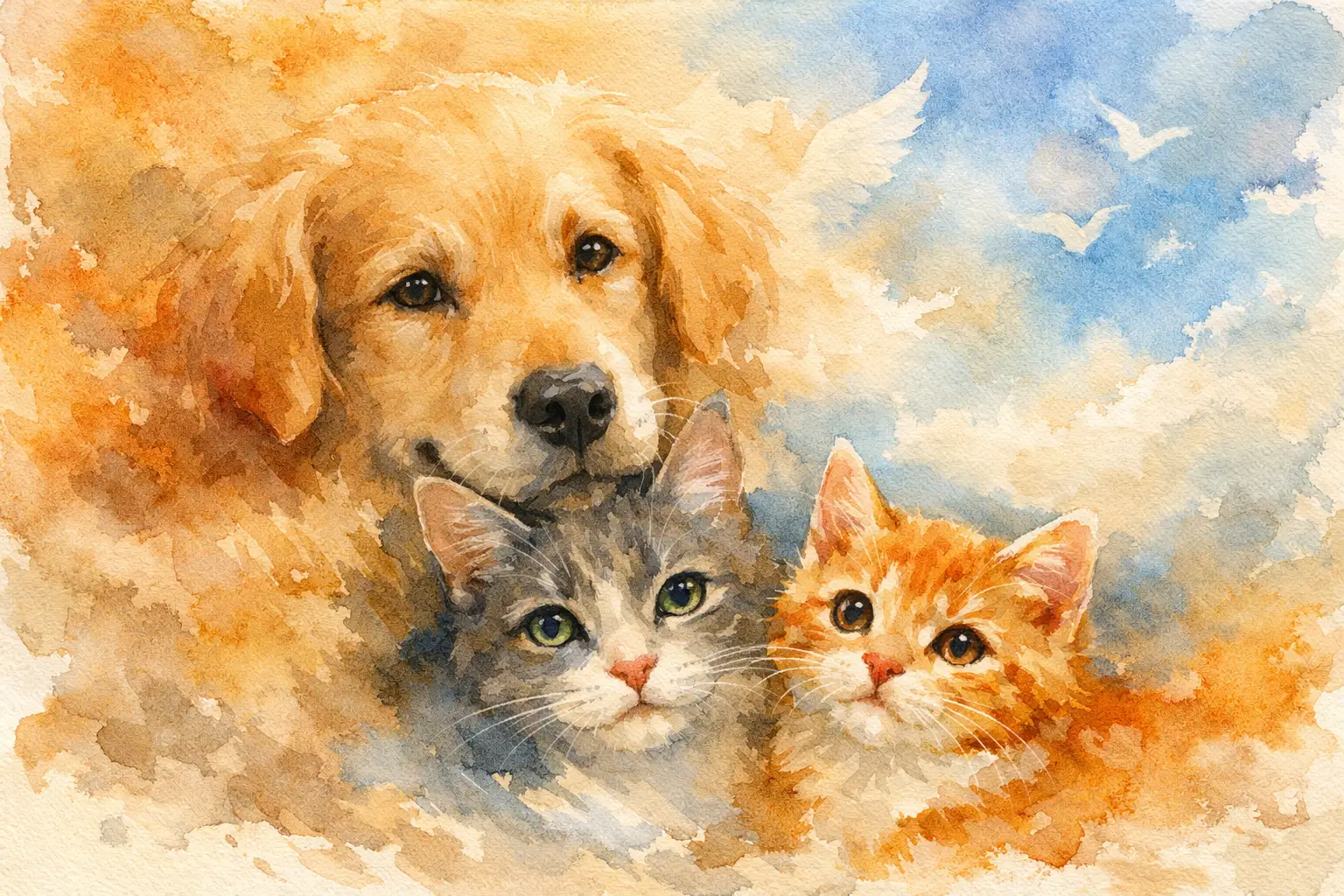
Some photos become more precious with time. A sleepy face on the couch, a familiar tilt of the head, the look they gave you at the door - these are the details many people hope to hold onto after a loss. This guide to pet memorial art is designed to help you choose something worthy of that bond: personal, beautifully made, and lasting.
Pet memorial art sits in a very particular place. It is not ordinary decor, and it is not only a gesture of grief. At its best, it becomes a quiet part of daily life - a way to keep love visible. The right piece can honor a pet who has passed, celebrate a companion still by your side, or do both at once by preserving a moment before it slips into memory.
What makes pet memorial art feel meaningful
The most moving memorial art does more than resemble a pet. It captures presence. That might mean the softness in the eyes, the set of the ears, or the calm dignity of a familiar posture. Accuracy matters, but emotional truth matters just as much.
This is why style should never be an afterthought. A memorial portrait that feels too playful may not suit a grieving household. One that is overly formal can miss the warmth that made a pet beloved in the first place. The best choices tend to balance refinement with intimacy.
Watercolor portraiture is especially well suited to memorial work because it offers softness without losing detail. It can feel elevated and gentle at the same time. For many pet owners, that balance is exactly right. The artwork looks considered and premium, but never heavy-handed.
A guide to pet memorial art styles
Choosing a style is often the first real decision, and it shapes everything that follows. Realism can be beautiful when you want a faithful likeness and a strong visual connection to a specific photo. It tends to feel direct and familiar, especially for people who want the portrait to reflect exactly how their pet looked.
Painterly styles, including watercolor, introduce a different kind of beauty. They soften the edges of the source image and create a more timeless effect. That can be especially fitting for memorial art, where the goal is not just documentation but tribute. The image feels interpreted, not merely reproduced.
Minimal line work or silhouette art can also be meaningful, particularly if your taste is modern and understated. The trade-off is that these styles often rely less on facial expression and individual detail. They can feel elegant, but they may not carry the same emotional specificity as a more developed portrait.
If you are choosing for a household that is actively grieving, a softer, more refined style usually lands best. It gives the piece a commemorative quality without making it feel stark. If you are creating a portrait for a pet who is still living, you may have more freedom to lean into personality, brighter tones, or a lighter composition.
Choosing the right photo for memorial artwork
A strong portrait usually begins with a strong photo, but not always the most polished one. The best image is often the one that feels most like them.
Look for a photo with clear lighting, visible facial features, and a natural expression. Eyes matter. So does posture. If your pet had a distinctive look - a proud stance, one ear slightly bent, a patient gaze - choose the image that preserves it.
Perfect studio conditions are not required. A beloved phone photo can work beautifully if the face is sharp enough and the coloring is easy to read. What matters most is clarity and character. If the only available images are older or imperfect, that does not mean meaningful art is out of reach. It simply means the artistic process needs to be thoughtful.
When selecting a reference image, it helps to ask one simple question: when I see this photo, do I feel them immediately? If the answer is yes, you are likely close to the right choice.
Format matters more than most people expect
Memorial art is deeply personal, but it also has to live somewhere. That practical reality affects what will feel right in the long term.
A print-ready digital file offers the most flexibility. You can choose your own size, frame, paper finish, and placement. Some people want a small framed portrait on a bookshelf. Others want a larger piece for an entryway, bedroom, or home office. Digital delivery makes that possible without locking you into a single display format.
This flexibility can be especially helpful if family members want copies, or if you are ordering from abroad and prefer to print locally. It also shortens the path between ordering and receiving the artwork itself. For many customers, especially those creating a memorial piece soon after loss, that matters.
Printed artwork has its own appeal. It arrives as a more complete keepsake and removes extra decisions. If you know exactly where the portrait will go and want a polished result without additional steps, a finished print may be the better fit. It depends on whether you value flexibility most or simplicity most.
Personal details that elevate the tribute
The most tasteful memorial art usually includes restraint. Personalization matters, but too many additions can weaken the piece.
A pet's name is often enough. In some cases, dates feel important, especially if the portrait is intended as a formal remembrance. A short phrase can work as well, but only if it is truly meaningful and does not compete with the portrait itself.
Background choices also deserve care. Clean, minimal backgrounds tend to preserve the emotional focus. They allow the pet to remain central and give the piece a more timeless quality. Decorative themes, bold graphics, or crowded collage layouts may feel comforting in the moment, but they do not always age as gracefully.
If your goal is a premium legacy object rather than novelty decor, less is often more.
How to choose an artist or service with confidence
This part matters because memorial work is not interchangeable. You are trusting someone to interpret a relationship, not just a photograph.
Look closely at consistency. The portfolio should show a clear artistic point of view, not random outputs that vary widely in quality. You should also understand what you are receiving: whether the final piece is a digital file, a print, or both; what the turnaround time is; and whether the artwork is suitable for professional printing.
Speed matters, but only when paired with quality. Traditional hand-painted commissions can be beautiful, yet they often require a longer wait and a higher investment. For many pet owners, a museum-quality digital watercolor portrait offers a strong middle ground - elevated, personalized, and available on a more practical timeline.
This is where services like Pet Legacy Portraits stand apart. The process is designed to feel simple, but the result remains polished and intentional: custom watercolor-style pet artwork delivered as high-resolution, print-ready digital files, with clear turnaround expectations and pricing that is easier to plan for than many traditional commissions.
Price, value, and what you are really buying
Memorial art is an emotional purchase, but it should still feel transparent. Price usually reflects a combination of customization, artistic quality, file resolution, production method, and final format.
What you are really buying is not just an image. You are buying interpretation, permanence, and ease. A strong portrait preserves a pet's likeness in a form that can remain part of your home for years. It can also become a gift to a partner, parent, or friend who shared that bond.
Lower-cost options may seem appealing at first, but they often look generic, rely on weak source editing, or lack the finish that makes a piece feel lasting. On the other hand, the most expensive option is not automatically the most meaningful. The right value sits where quality, style, speed, and emotional fit meet.
When to order pet memorial art
There is no perfect timeline. Some people order immediately after loss because having something beautiful to focus on feels grounding. Others wait until the first holiday, an adoption anniversary, or a quieter season when they are ready to choose carefully.
There is also something wise in ordering before loss, especially for older pets. Memorial art does not have to begin as memorial art. A portrait created while a pet is still here can later become one of the most treasured objects in the home. It carries celebration first, remembrance later.
That may be the gentlest truth in any guide to pet memorial art: you do not need to wait for grief to justify preserving what you love. A thoughtful portrait can honor a life still being lived, and one day, when you need it, it can hold far more than an image ever should.