How to Choose a Pet Photo That Works
June 12, 2026
Learn how to choose pet photo options that capture expression, detail, and presence, so your custom portrait feels polished, personal, and lasting.
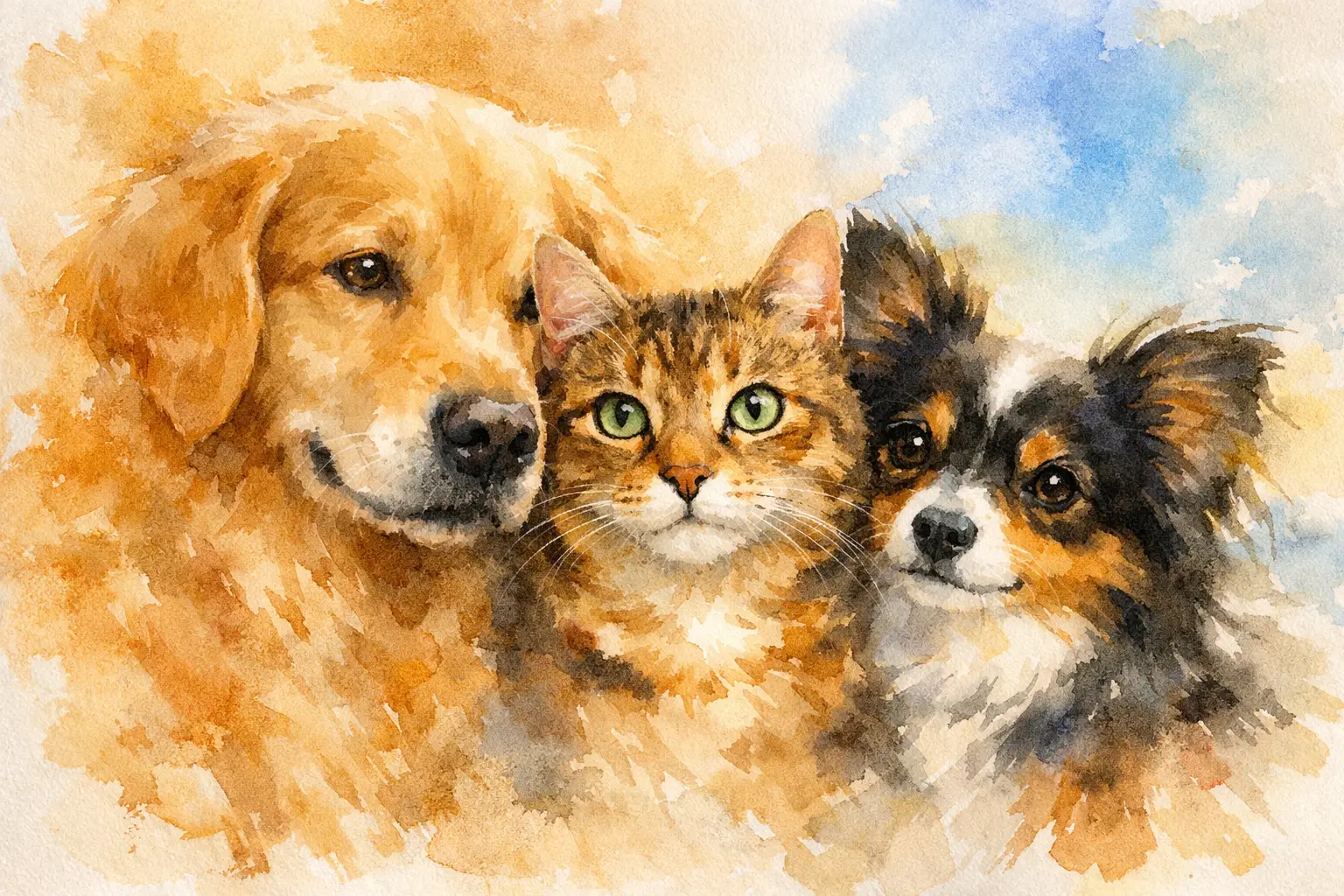
A beautiful pet portrait usually begins long before the artwork does. It starts with the right image - one that holds your pet’s expression, coloring, and quiet personality clearly enough to become something lasting. If you’re wondering how to choose pet photo options for custom art, the goal is not perfection. It is presence.
The best source photo feels true to your pet at a glance. You recognize the tilt of the head, the alertness in the eyes, the softness in the face. That is what gives a portrait emotional weight, whether you are celebrating a beloved companion who is still by your side or honoring one you miss every day.
How to choose pet photo with the portrait in mind
A photo that looks lovely on your phone is not always the strongest choice for artwork. Portrait creation depends on visible detail. The artist or rendering process needs enough clarity to interpret fur texture, eye shape, markings, ear position, and the overall structure of your pet’s face.
That means the best image is usually not the most dramatic one. It is often the clearest one. A close, well-lit photo with sharp focus will almost always produce a more refined portrait than an artistic but shadowy snapshot.
If you are choosing between several favorites, ask a simpler question: which image most clearly shows who they are? That answer matters more than props, scenery, or camera effects.
Expression matters more than pose
A technically strong photo still may not be the right one if the expression feels off. Some pets look noble in a straight-on pose. Others feel more like themselves with a slight turn of the head or a softer, candid look.
For memorial portraits especially, expression carries enormous importance. Many people are drawn to the last clear photo they have, but the better choice is often an earlier image that feels more alive, more recognizable, and more like the pet they hold in memory. A portrait should preserve connection, not just appearance.
What makes a pet photo ideal for custom artwork
The strongest photos usually share a few qualities. First, the eyes are visible and in focus. Eyes create connection in portraiture, and when they are sharp, the finished piece feels far more lifelike and intimate.
Second, lighting is even and natural. Soft daylight is especially helpful because it reveals color and detail without harsh shadows. Very bright flash can flatten the face or create glare, while heavy backlighting can hide features entirely.
Third, the photo is high resolution. If an image becomes blurry when enlarged, important detail may be lost in the final art. This is especially relevant for pets with subtle coat patterns, dark fur, or delicate facial features.
Finally, the composition is clean. The best reference photo keeps your pet as the clear focal point. Busy backgrounds, cropped ears, and distracting objects can make it harder to create a polished portrait.
The face should be easy to read
In most cases, a head-and-shoulders image or a well-framed upper-body photo works best. This allows facial markings, posture, and expression to remain central. Full-body photos can work beautifully, but only when the pet is close enough for details to stay visible.
If the nose, eyes, or fur pattern become too small in the frame, the portrait may lose some of the distinction that makes your pet instantly recognizable.
Natural coloring is worth protecting
Filters can be tempting, especially on favorite photos, but they often shift coat color and reduce fine detail. Warm filters may turn white fur cream or red fur too orange. High-contrast edits can hide subtle texture around the eyes and muzzle.
For custom art, the best image is usually the least altered one. A clean original file gives a more faithful foundation for museum-quality work.
Common photo mistakes to avoid
Most weak source images fail for ordinary reasons, not dramatic ones. The pet is too far away. The lighting is dim. The image was taken while they were moving. Part of the face is hidden by a toy, blanket, hand, or shadow.
Photos taken from above can also distort proportions, especially in dogs and cats with shorter muzzles. A lower, eye-level angle tends to create a more natural and dignified portrait.
Another common issue is choosing a photo because of the moment rather than the visibility. A holiday snapshot may be emotionally meaningful, but if your pet is wearing a costume, turned sideways, or partially obscured, it may not be the strongest choice for artwork. Sentiment matters, but clarity still leads.
How to choose pet photo options when you only have older images
This question matters deeply for memorial artwork. Sometimes the available photos are limited, especially if a pet passed years ago or lived before phone cameras became so sharp. In that case, the right image is simply the clearest and most representative one you have.
Even if the resolution is not perfect, an image can still work if the face is visible, the expression is recognizable, and the key markings are intact. A slightly older photo with emotional truth is often more valuable than a newer image with better lighting but less connection.
If you are choosing among older photos, prioritize these qualities in order: visible eyes, accurate coloring, recognizable expression, and as much sharpness as possible. A meaningful portrait can still come from an imperfect file when the essence of the pet is present.
One photo can be enough, but more can help
If a service allows supporting images, that can be useful when your favorite photo captures the right expression but not every detail. An additional image may help confirm coloring, markings, or ear shape.
At Pet Legacy Portraits, many customers select one primary image and use any additional references to support accuracy. That approach works especially well for pets with black fur, multi-color coats, or distinctive features that are harder to read in a single photo.
Choosing a photo for a living pet versus a memorial portrait
The emotional starting point is different, and that often shapes the photo choice.
For a living pet, people often want a portrait that feels elevated - calm, elegant, and timeless. A clear image with good posture and an attentive gaze usually translates beautifully. There is room to be selective. You can take a new photo in soft daylight, wait for a relaxed expression, and choose the image that feels most complete.
For a memorial portrait, the decision is more personal. The best photo is not always the most polished. It may be the one that feels most like them: the softness in the eyes, the familiar tilt of the head, the face you knew by heart. In remembrance pieces, emotional accuracy can matter even more than technical perfection.
That said, the strongest memorial portraits usually still come from photos where the face is clearly visible and unobstructed. Love carries the meaning, but visibility supports the art.
A simple way to narrow down your best photo
If you have too many options, compare them side by side and remove any image with blur, harsh shadows, heavy edits, or missing features. Then look at what remains and ask three questions.
Can you clearly see the eyes? Does the coloring look accurate? Does the expression feel unmistakably like your pet?
When one photo answers yes to all three, you likely have your choice.
If two images feel equally strong, choose the one with simpler lighting and a cleaner crop. Portrait art tends to benefit from restraint. The quieter image often becomes the more enduring one.
The best pet portrait starts with recognition
A fine portrait does more than resemble a pet. It restores a feeling. It lets you see them again in a way that is graceful, faithful, and lasting. That is why the right source photo matters so much.
When deciding how to choose pet photo options, trust both your eye and your heart. Look for clarity, yes, but also for familiarity. The best image is the one that still feels like them the moment you see it - and will keep feeling that way for years to come.