How to Choose Dog Memorial Wall Art
June 22, 2026
Choose dog memorial wall art that feels personal, elegant, and lasting. Learn what makes a tribute meaningful, beautiful, and print-ready.
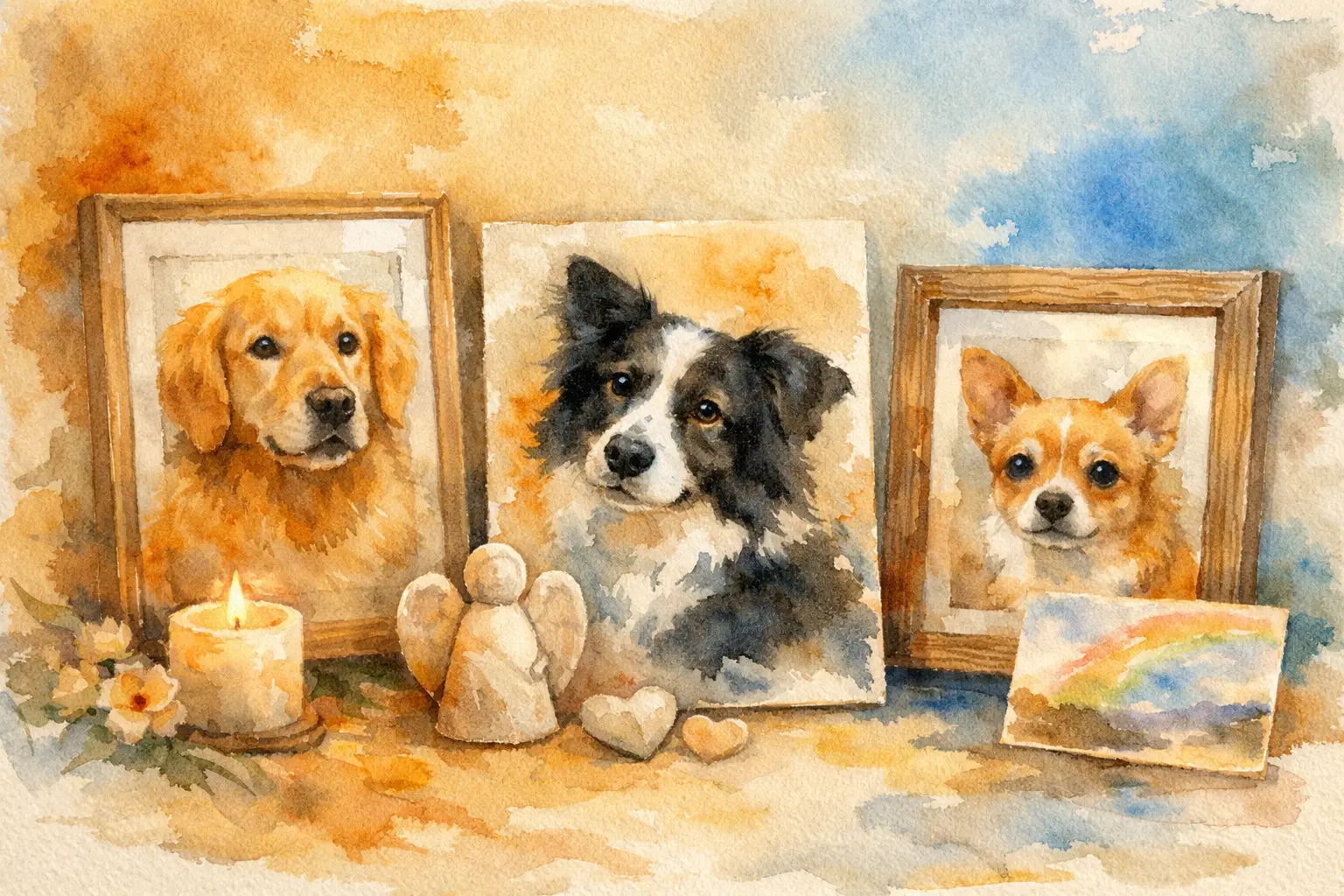
A dog’s place in a home does not disappear when they do. Their leash may be put away, their bed may be folded, but the shape of their presence remains - in routines, in rooms, in the quiet moments that still belong to them. That is why dog memorial wall art matters. It gives love a place to rest, and memory a form you can return to every day.
The best memorial art does more than show what your dog looked like. It should feel like them. Their gentleness, their mischief, their calm watchfulness, the way they greeted you at the door - those details are what turn a picture into a tribute.
What makes dog memorial wall art feel meaningful
A meaningful memorial piece begins with recognition. Not just of breed, coloring, or markings, but of personality. Some dogs were regal and composed. Some were joyful and untamed. Some had a softness in their eyes that made every room feel safer. When memorial art captures that emotional truth, it becomes more than decoration. It becomes part of your remembrance.
This is why generic pet imagery often falls short for a memorial setting. A memorial is personal by nature. It deserves choices that reflect the individual bond you shared. Expression, pose, background tone, and artistic style all shape whether a piece feels intimate or impersonal.
Watercolor portraiture is especially well suited to memorial wall art because it carries both presence and softness. It can hold detail without looking rigid. It can feel elevated without becoming formal in a cold way. For many pet owners, that balance matters. They want something beautiful enough to display prominently, but gentle enough to honor grief with grace.
Choosing a style that suits your dog
Not every memorial portrait should look the same, because not every dog gave love the same way. A bold, high-energy dog may suit a brighter composition with a more alert pose. A deeply loyal older companion may feel more at home in a quieter portrait with softer tones and a calm expression.
When choosing dog memorial wall art, start with the emotional impression you want the piece to leave. Do you want it to feel serene? Celebratory? Noble? Comforting? This question often matters more than any design trend.
A clean, museum-quality watercolor style works well because it keeps the focus on the pet rather than surrounding distractions. It also gives the portrait a timeless quality. Trends fade quickly. A thoughtful portrait built around your dog’s character tends to last.
Background restraint is often a wise choice for memorial art. A very busy setting can pull attention away from the face, where most owners feel the connection most strongly. That said, it depends on the memory you want to preserve. If your dog belonged to the beach, the trail, or the backyard garden, a subtle environmental reference can deepen the emotional impact without overwhelming the portrait.
The photo matters, but the story matters too
A strong reference photo helps, especially one with clear eyes, natural light, and an expression that feels familiar. But a memorial portrait should not rely on the photo alone. The story behind your dog is what gives the final artwork depth.
That is where guided portrait creation becomes especially meaningful. Instead of handing over a photo and hoping for the best, you have the chance to shape the tribute yourself. You know whether your dog was dignified or playful, whether their soulful side mattered more than their happiest grin, whether a softer mood feels right or whether you want the portrait to feel full of life.
That creative role can be quietly powerful during grief. You are not just ordering an object. You are making choices that reflect love, memory, and identity. For many people, that process is part of the tribute itself.
At Pet Legacy Portraits, that experience is designed to feel personal and immediate. For $47, you can upload your photo, answer a guided questionnaire about your dog, and create a museum-quality watercolor portrait on your own terms. You receive two portrait downloads and can regenerate until the result feels right. That matters with memorial art, because the smallest details can carry the greatest meaning.
Where dog memorial wall art belongs in the home
Placement affects how a memorial piece is experienced. Some people want the portrait in a central living space, where the bond remains part of daily life. Others prefer a quieter location - a bedroom, hallway, reading corner, or office - where the tribute can feel more private.
Neither choice is more loving. It depends on how you grieve and how you want remembrance to live in your home.
A prominently placed portrait can feel affirming. It says your dog is still part of the family story. A more intimate placement can create a sense of closeness and reflection. Both approaches are valid, and some households eventually choose both - one space for daily visibility, another for stillness.
Scale matters as well. A portrait meant for a gallery wall may need a different composition than a single statement piece. If the work is too small, it can lose emotional presence. If it is too large for the room, it can feel visually heavy. Print-ready digital artwork gives you flexibility here, allowing you to choose the size that best suits the space and your comfort.
Why custom memorial art feels different
There is a difference between seeing a dog and seeing your dog. Anyone who has loved a pet knows that difference instantly.
Custom dog memorial wall art carries that recognition. The ears are set the right way. The expression feels familiar. The coloring reflects the little details you always noticed. More than that, the portrait holds a sense of relationship. It reminds you not only who they were, but who they were to you.
This is especially valuable for pet owners who want a tribute that feels elevated but still accessible. Traditional portrait routes can feel slow, expensive, or distant from your own vision. Generic tools can feel impersonal. A guided self-service experience offers something different: creative control, immediate results, and the ability to refine the portrait until it truly feels like your companion.
That balance of emotional depth and practical ease is not a small thing. Memorial purchases are often made during tender, difficult days. Simplicity matters. So does beauty.
What to look for before you create or order
The strongest memorial portraits usually share a few qualities. First, they feel emotionally accurate. Second, they are visually refined enough to deserve a lasting place in the home. Third, they are delivered in a format that supports high-quality printing.
If you are choosing a digital portrait experience, pay attention to whether the process helps you express your dog’s personality, not just submit an image. Memorial art should never feel one-size-fits-all. Look for a guided path that helps you make meaningful decisions without making the process feel complicated.
It also helps to consider how many opportunities you have to refine the outcome. When a portrait is meant to honor a life, satisfaction should not depend on luck. The ability to regenerate and compare options can make all the difference between a portrait that is simply nice and one that feels deeply right.
Dog memorial wall art as a lasting legacy
Memorial art does not replace a dog’s presence. Nothing can. What it can do is create a form of closeness that remains visible, elegant, and sustaining.
Over time, grief changes shape. The sharpness softens. The memories become easier to hold. A well-made portrait often changes with you. In the beginning, it may feel like a source of comfort. Later, it may feel like gratitude made visible. Years from now, it may become part of how you tell your dog’s story to someone else.
That is the quiet value of choosing thoughtfully. Dog memorial wall art is not only about loss. It is about devotion with a lasting place to live.
If you are creating one, trust the details that matter to you. The softness in the eyes, the tilt of the head, the mood you want the portrait to carry - these are not small preferences. They are the language of remembrance, and they deserve to be honored with care.