How to Memorialize a Dog With Lasting Meaning
July 13, 2026
Learn how to memorialize a dog with personal rituals, meaningful art, and gentle ways to keep their story close through every season of grief with care.
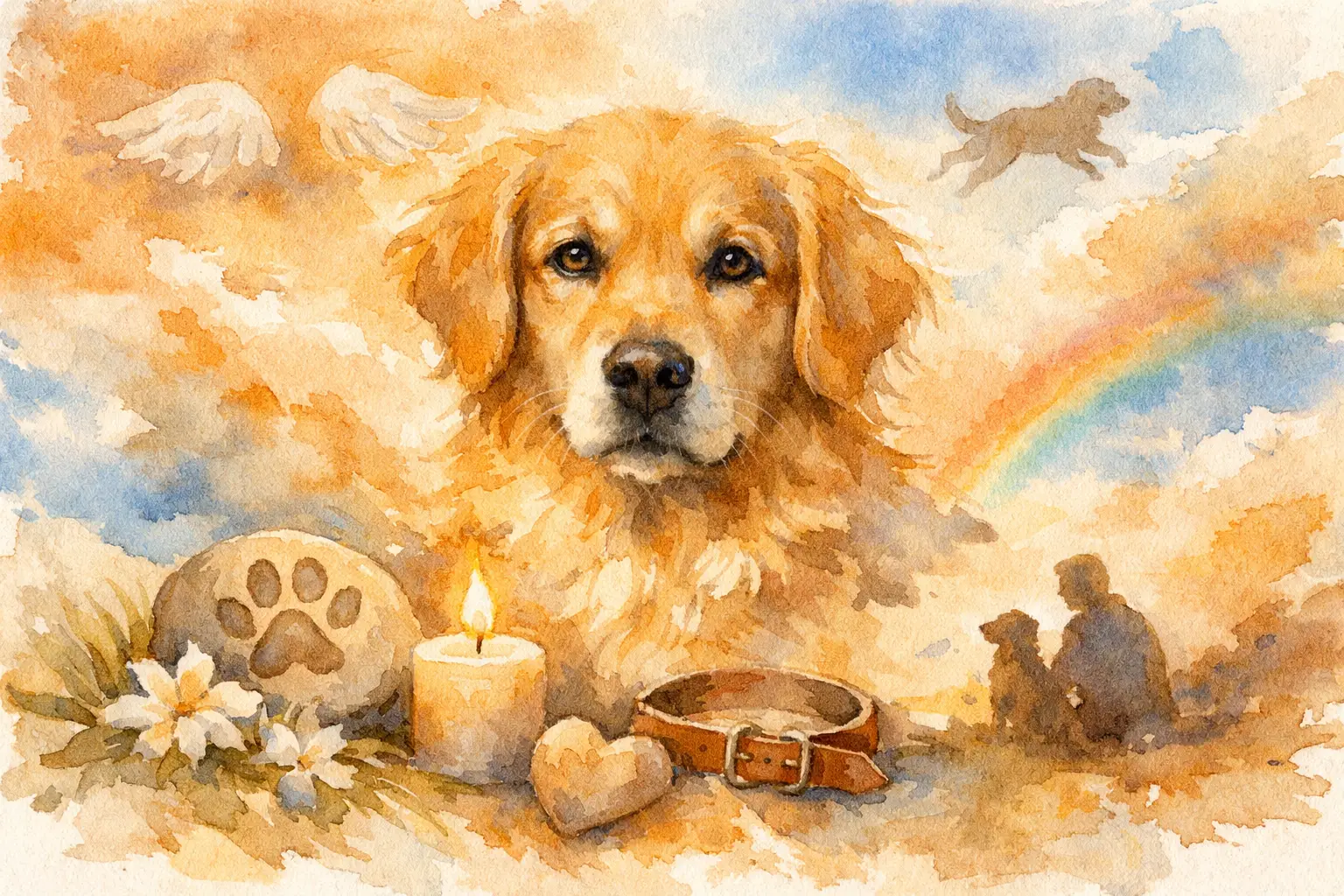
The collar by the door, the familiar pause before a walk, the space beside the bed - a dog’s absence can appear in the smallest parts of a day. Learning how to memorialize a dog is not about making grief disappear or forcing a final goodbye. It is about choosing a way to recognize a life that changed yours, and giving that love a place to remain.
There is no correct timeline for creating a memorial. Some people need to do something meaningful right away. Others need months before they can look through photographs without feeling overwhelmed. Both responses are valid. The most lasting memorials tend to feel less like an obligation and more like an honest reflection of who your dog was.
Begin With the Story Only You Can Tell
Before choosing an object, a ceremony, or a place of remembrance, return to the details that made your dog unmistakably yours. Think beyond the breed, age, or favorite toy. Remember the way they greeted you at the door, the expression they made when they wanted a treat, the route they loved most, or the quiet habit that made your home feel complete.
Write down a few of these memories while they are fresh. They do not need to be polished. A few sentences in a journal, a note in your phone, or a letter addressed to your dog can become a meaningful record of the relationship you shared. This is especially valuable when grief makes memories feel scattered. You are preserving more than dates and facts. You are preserving personality.
If your dog is still living, creating this record can be a beautiful act of celebration rather than preparation for loss. A memorial does not have to begin after a final day. Honoring the life you are sharing now often makes the memories feel even more vivid later.
How to Memorialize a Dog in a Way That Feels Personal
The best choice depends on what brings you comfort. Some people want a visible reminder woven into everyday life. Others prefer a private place they can visit when they are ready. Consider what would feel supportive rather than painful in the months ahead.
A dedicated space at home can offer a quiet center for remembrance. It might hold a favorite photograph, a collar, a paw print, or a small written note. Keep it simple enough that it feels peaceful, not like a display you are required to maintain. If seeing these items every day is too difficult, place them in a memory box you can open on your own terms.
A living tribute can also be fitting. A tree, flowering plant, or place in the garden may offer a gentle way to mark a bond that continues to matter. This choice can feel especially comforting for dogs who loved being outside. It also changes with the seasons, which can be reassuring when grief itself changes over time.
For some families, a ritual provides the words or structure that loss does not. You might take one final walk along a familiar path, light a candle on an anniversary, gather loved ones to share stories, or make a donation in your dog’s name. The size of the gesture is not what gives it meaning. What matters is whether it reflects the relationship you are honoring.
Choose a Keepsake That Holds Their Presence
A memorial keepsake is most powerful when it feels specific. A generic image of a dog may be pleasant, but it cannot hold the tilt of your dog’s head, the warm brown patch over one eye, or the watchful expression you knew so well. Those details are where recognition lives.
A custom portrait can become a lasting focal point because it invites you to see your dog not only as someone you lost, but as the beloved companion they were. Choose a photo that feels true to them. It does not need to be formally posed. Often, the most moving image is one that captures their natural character: alert on a favorite trail, resting in a patch of sunlight, or looking at you with the familiar expression you will never forget.
With Pet Legacy Portraits, you remain the creative force behind the portrait. You choose the photograph, describe the details that matter, and shape a museum-quality watercolor image that reflects your own memory of your dog. The finished digital portrait can be printed when and where it feels right, allowing you to create a meaningful legacy on your own timeline.
Give the Memorial a Place in Your Life
A portrait, framed photograph, or other keepsake does not have to become the center of a room to matter. Some people find comfort in placing it where their dog spent time, while others choose a quieter location that feels more private. There is no need to follow someone else’s idea of what remembrance should look like.
Consider the emotional effect of the placement. A bedside table may offer closeness. A hallway may turn an ordinary passing moment into a small moment of connection. A private study or memory box may be better if you want control over when you encounter it. Your needs may change, and it is completely acceptable to move the memorial later.
Let Grief Set the Pace
Grief after losing a dog can be surprisingly physical and disorienting. Daily routines change. Silence can feel louder. You may feel fine one morning and undone by an old blanket or a familiar sound the next. A memorial is not a deadline for feeling better. It is simply one way to make room for the love that remains.
Avoid pressuring yourself to make permanent decisions immediately after a loss. If you are unsure what to do with belongings, photographs, or ashes, give yourself permission to wait. Store treasured items safely until you have more clarity. Time can help you distinguish between what you want to keep close and what you are ready to release.
It can also help to separate remembrance from guilt. Many pet owners replay final decisions, wonder whether they did enough, or wish they had recognized something sooner. A memorial can gently redirect your attention toward the full life you gave each other. Your dog’s story was not defined by one difficult day. It was shaped by meals shared, games played, comfort offered, and ordinary moments made meaningful by companionship.
Include the People Who Loved Them
Dogs often belong to an entire household, even when one person was their primary caregiver. Children, partners, relatives, neighbors, and other pets may each experience the loss differently. Inviting people to share a favorite memory can make a memorial feel fuller and more honest.
For a family, this might mean collecting short notes or choosing photos together. For someone grieving alone, it may mean asking a close friend to sit with you while you look through pictures or tell a story. You do not have to carry every part of the loss privately.
At the same time, not every memorial needs to be shared. A letter, a saved voicemail-like video of happy barking, or a portrait kept in a personal room can be just for you. Private remembrance is no less meaningful because no one else sees it.
Allow the Memorial to Change Over Time
The way you honor your dog in the first weeks may not be the way you honor them years later. Early grief can call for closeness and ritual. Later, you may find yourself smiling at a photograph, telling a new pet about them, or remembering a favorite habit without the sharpness you once felt. This is not forgetting. It is love finding a different shape.
You can add to a memorial as new memories surface. You can print a different portrait, write down a story you had not thought of in years, or return to a favorite place on a meaningful date. There is no point at which a dog stops being part of your family’s history.
A lasting memorial does not ask you to stay in grief. It gives your love somewhere beautiful to rest, while allowing you to carry your dog forward with tenderness, gratitude, and peace.