How to Turn Pet Photo Into Meaningful Art
June 14, 2026
Learn how to turn pet photo into elegant custom art, from choosing the right image to selecting style, size, and memorial details that matter.
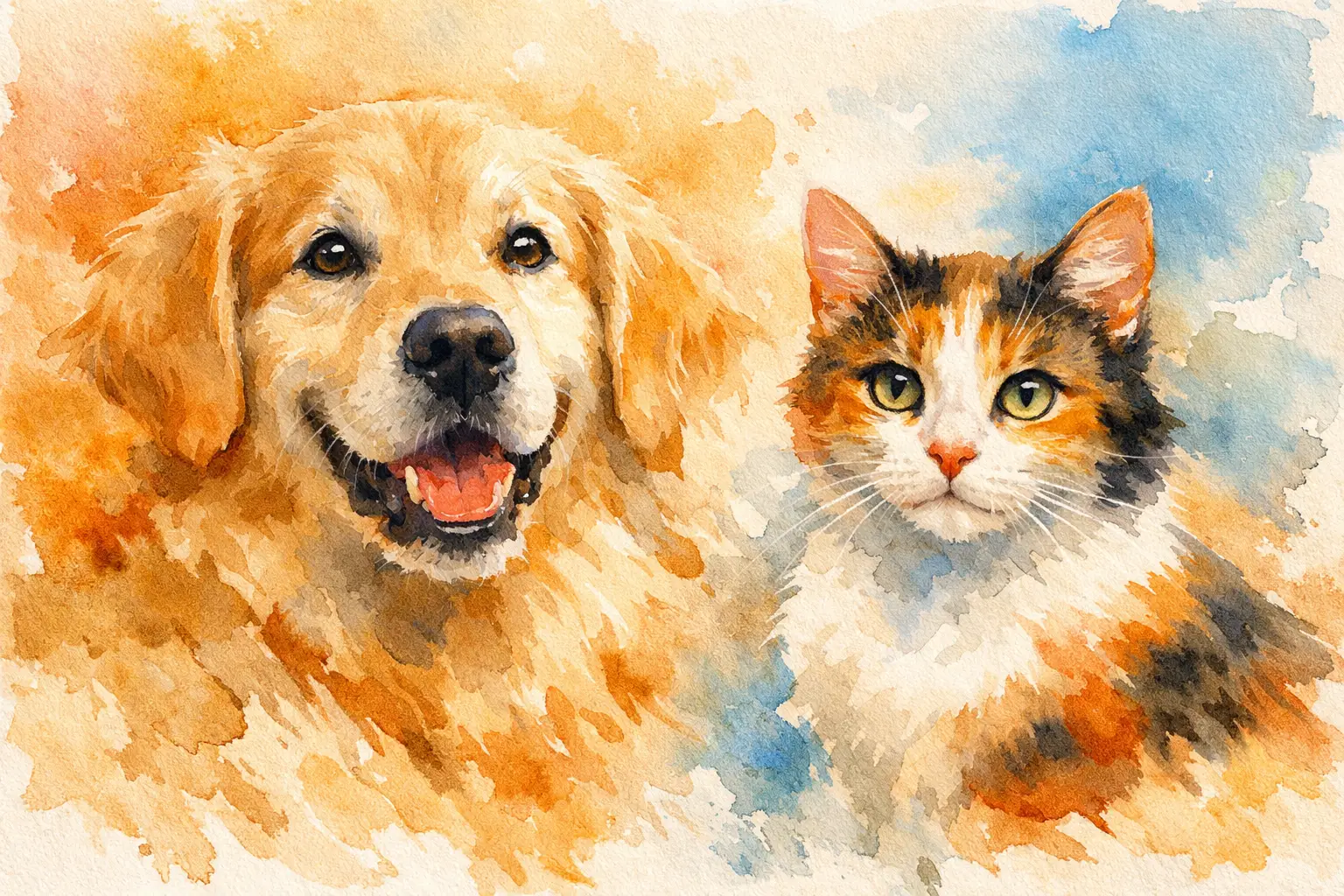
The best pet portraits usually begin with an ordinary photo - the one on your phone that somehow holds everything you love about them. A tilted head, a familiar expression, the softness in their eyes. If you are wondering how to turn pet photo memories into artwork worth keeping, the answer is part image selection, part artistic judgment, and part intention.
Not every snapshot becomes a beautiful portrait automatically. The photo matters, but so does what you want the final piece to say. Some portraits are playful and celebratory. Others are quiet and commemorative. The strongest ones feel personal before they ever reach the wall.
How to turn pet photo into portrait art that feels personal
The first decision is not style. It is meaning. Ask yourself what you want to preserve.
For some pet owners, it is a current companion at their happiest - bright-eyed, alert, unmistakably themselves. For others, it is a memorial portrait created after loss, when the goal is not just to recreate a face but to honor a bond. That difference shapes every choice that follows, from the photo you submit to the background you prefer.
A strong portrait does more than resemble your pet. It should reflect presence, character, and emotional tone. That is why the most successful custom artwork starts with a clear idea of what matters most: their expression, a favorite posture, a calm dignity, or the warmth they brought into your life.
Start with the right photo
If you want to know how to turn pet photo files into refined portrait artwork, begin with the clearest image you have. Sharp focus matters more than filters or dramatic lighting. The artist or image process needs to see details in the eyes, muzzle, ears, and fur pattern. If those are blurred, the final portrait has less to build from.
Natural light tends to work best because it preserves true coloring and soft detail. A photo taken near a window or outdoors in even daylight is often more useful than one taken under harsh indoor bulbs. Try to avoid heavy shadows across the face, bright overexposure, or screenshots that have already lost quality.
Framing matters too. Close-up images are usually stronger than full-body shots if the goal is a classic portrait. The face carries most of the personality. A head-and-shoulders composition often creates a more elegant final piece, especially in watercolor-style artwork where softness and expression do the work.
If your favorite image is not technically perfect, that does not always disqualify it. A slightly imperfect photo with real emotional weight can still be the right choice. The trade-off is simple: the more visual information in the original image, the more polished and precise the portrait can become.
What makes a photo portrait-worthy
Look for an image where your pet is facing the camera or turned slightly to the side, with the eyes visible and in focus. Fur detail should be readable, and the pose should feel natural rather than awkward or distorted by a wide-angle lens. If collars, bandanas, or tags are meaningful, decide whether you want them included. Sometimes these details add personality. Sometimes removing them gives the artwork a more timeless look.
For memorial portraits, many people choose a photo that feels calm and direct. It does not need to be formal. It simply needs to feel true.
Choose an art style that matches the emotion
Once you have the image, the next step is deciding how it should be transformed. This is where many people think only about decor. In reality, style also shapes feeling.
A watercolor portrait tends to soften the edges of a photograph while preserving identity. It offers refinement without becoming stiff. That balance makes it especially fitting for pet portraits, whether you are celebrating a living companion or honoring one in memoriam. The result can feel elevated and deeply personal at the same time.
Other styles may lean graphic, playful, or highly realistic. None is universally right. It depends on what you want to live with for years. If the portrait is meant to feel elegant, display-ready, and emotionally resonant, a museum-quality watercolor interpretation often has broader lasting appeal than trend-based effects.
This is also where quality becomes visible. Fast does not have to mean generic, but there is a difference between a novelty filter and thoughtfully finished portrait art. A premium result should look intentional, clean, and suitable for printing at high resolution.
Decide what to include - and what to leave out
Good portrait art is often defined by restraint. Just because a photo contains a couch, a leash, a busy yard, and uneven lighting does not mean the final artwork should.
A simplified background usually gives the pet more presence. It allows the expression to lead. Neutral or softly washed surroundings can feel more graceful than trying to replicate every detail from the original image. This is especially true if the portrait is intended as a keepsake or memorial display piece.
The same principle applies to personalization. A name, a date, or a quiet memorial note can add meaning, but only if it suits the tone you want. Some people prefer a pure image with no text at all. Others want a gentle inscription that marks the portrait as a tribute. Neither approach is better. It depends on whether you want the piece to read as fine art, remembrance, or both.
For living pets and memorial portraits, the goal can differ
Portraits of living pets often celebrate energy, affection, and daily companionship. Memorial portraits are usually quieter. The composition may be similar, but the emotional center is different.
That distinction matters when choosing your image and final presentation. A playful grin may be perfect for one portrait. A serene gaze may be right for another. The best custom artwork respects that difference instead of forcing every pet into the same visual formula.
Think about where and how you will display it
A portrait should work not only emotionally but practically. Before ordering, consider how you want to use the finished artwork.
If you plan to print and frame it, make sure the file is high-resolution and print-ready. That gives you flexibility in size and display format, whether you want a small framed piece for a desk or a larger portrait for a living room wall. Digital delivery can be especially useful here because it lets you choose your printer, paper, and framing style on your own timeline.
Turnaround matters too. Traditional hand-painted commissions can take weeks or months, which may not fit a gifting deadline or a moment when you want something tangible sooner. A well-crafted digital portrait with a clear production timeline offers a different balance: thoughtful artwork, faster delivery, and a more accessible price point than many fully manual commissions.
That trade-off works well for many pet owners. You still want beauty and emotional depth, but you may also want clarity, speed, and the ability to print more than one copy for family members.
What to expect from the process
If you are ordering custom pet art online, simplicity matters. The process should feel easy, especially when the portrait carries emotional weight.
In most cases, you will upload your chosen photo, select your preferred package or finish, and note any personalization requests. From there, the portrait is created from your image and delivered as a polished digital file ready for printing. At Pet Legacy Portraits, that process is designed around museum-quality AI watercolor pet portraits, with digital files delivered in 5 business days and printed orders arriving in about 2 weeks.
Pricing usually reflects complexity, output options, and presentation tier. A clear structure helps. When pricing ranges from $129 to $389, customers can choose a level that fits both the significance of the piece and how they plan to display it.
The important thing is confidence in the final result. You are not buying generic pet decor. You are commissioning an image meant to hold memory, affection, and presence in a form you can keep.
The real answer to how to turn pet photo memories into keepsakes
A meaningful portrait starts with a photo, but it becomes something more through careful choices. The right image. The right style. The right level of detail. The right tone.
If you choose well, the final artwork does not just show your pet. It returns something of them to the room - their gentleness, their spirit, their familiar way of being seen. That is what makes custom pet portraiture worth doing well.
Whether you are creating a gift, marking a loss, or simply honoring the animal who changed your home and your heart, start with the photo that still feels like them. The rest should serve that feeling with care.