Memorial Portrait vs Pet Urn: Which Lasts?
July 4, 2026
Memorial portrait vs pet urn - compare meaning, visibility, comfort, and daily impact to choose the pet remembrance that feels right for your home.
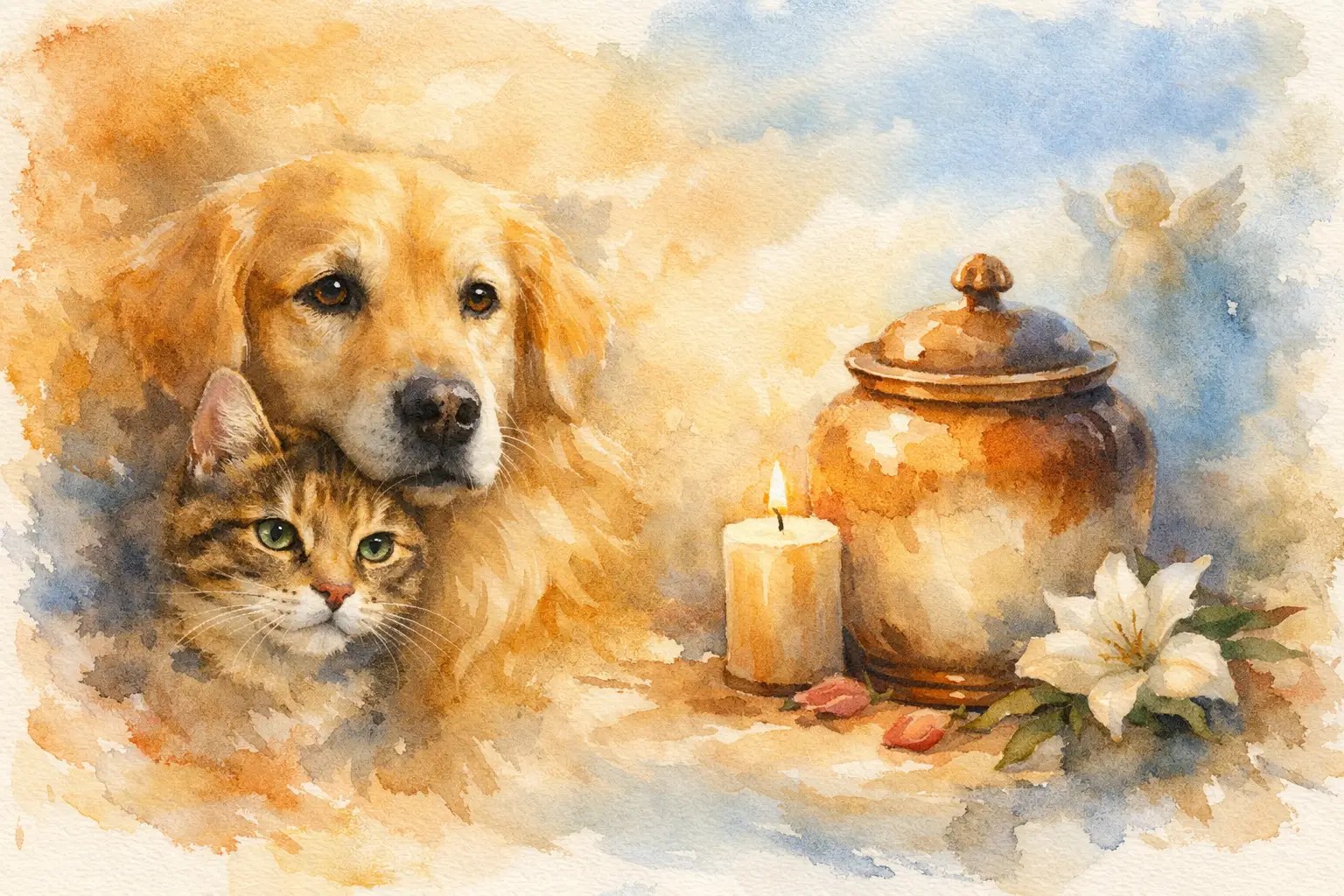
When you are facing the choice of memorial portrait vs pet urn, the real question is rarely about decor. It is about closeness. Some people want a place for ashes. Others want a way to keep seeing the expression, warmth, and spirit that made their pet feel so unmistakably present.
Both choices can be deeply meaningful. Neither is more loving than the other. But they serve different emotional needs, and understanding that difference can make the decision feel gentler.
Memorial portrait vs pet urn: what each one holds
A pet urn holds physical remains. For many families, that matters profoundly. It offers a sense of care, protection, and permanence. There is comfort in knowing your pet has a dedicated resting place inside your home.
A memorial portrait holds something less physical but often more immediate in daily life - presence, character, memory, and recognition. It reflects the way your dog tilted their head when you said their name, or the calm intelligence in your cat's eyes. It preserves how they felt to know.
That difference shapes the experience of grief. An urn may support ritual and reverence. A portrait may support connection and remembrance in a more visible, ongoing way. Some people need one. Some need both.
The emotional difference is visibility
An urn is often placed carefully on a shelf, in a cabinet, or in a quieter corner of the home. It can feel sacred, but also private. For some grieving pet owners, that privacy is a gift. They want a memorial object that honors loss without asking them to confront it every time they walk through the room.
A portrait works differently. It meets your eyes. It gives memory a face again. That can be painful at first, but it can also be healing because it restores the visual bond that loss interrupts so suddenly.
This is why a memorial portrait often feels less like storing grief and more like continuing love. It does not replace mourning. It simply gives affection somewhere beautiful to go.
When a pet urn may feel right
There are moments when an urn is exactly the right choice. If having your pet's ashes nearby brings peace, that instinct deserves respect. Some people feel strongly that physical remains are central to remembrance, especially right after a loss.
An urn can also feel appropriate if you prefer a quieter form of memorialization. Not everyone wants a visual tribute in the center of daily life. Sometimes grief asks for privacy before it asks for expression.
And if your family values a traditional memorial object, an urn may offer a sense of structure during a disorienting time. It gives loss a place. That can matter more than people realize.
When a memorial portrait may feel right
A portrait often becomes meaningful when what you miss most is not the fact of loss, but the absence of your pet's presence. You miss seeing them. You miss their look, their softness, the unmistakable personality in their face.
That is where art can carry something special. A portrait is not only about remembrance. It is about recognition. It allows you to honor your pet as an individual, not just as a memory attached to grief.
For many people, creating a memorial portrait also becomes part of the healing process. Choosing the photo, reflecting on your pet's expression, and shaping how they will be remembered can feel grounding. It gives you an active role in honoring them at a moment when so much feels outside your control.
That is part of why this format resonates so strongly. You are not simply purchasing an object. You are making something personal from love and memory.
Memorial portrait vs pet urn for everyday comfort
If you are deciding between a memorial portrait vs pet urn, think about what will comfort you on an ordinary Tuesday. Not only during anniversaries or moments of intense grief, but in the quiet rhythm of everyday life.
An urn may comfort you by being present in a steady, dignified way. You know it is there. You know your pet is honored. That knowledge can be enough.
A portrait may comfort you more actively. It can soften the shock of absence by restoring a familiar visual connection. Instead of focusing on what was lost, you are invited to remember who was loved.
That distinction matters because grief is not experienced only in ceremonial moments. It lives in small daily absences - the empty bed, the silent hallway, the missing greeting at the door. A portrait can meet those moments with tenderness.
The role of beauty in remembrance
People sometimes feel guilty considering aesthetics when making memorial decisions. They should not. Beauty is not superficial in grief. Beauty can be a form of care.
A well-made memorial portrait brings dignity to memory. It does not reduce your pet to an object of loss. It presents them as they were cherished - distinct, soulful, and worthy of being seen.
That is especially true when the artwork feels elevated rather than generic. A museum-quality watercolor style, for example, can create a sense of softness and grace that suits memorial art beautifully. The result feels less like a product and more like a legacy piece you will want to keep in view.
A portrait can honor life, not only loss
One quiet advantage of memorial art is that it does not have to be defined entirely by grief. An urn almost always speaks directly to passing. A portrait can hold sorrow, but it can also celebrate life.
That matters if you want your home to reflect love more than sadness. The right portrait can feel luminous rather than heavy. It can remind you of your pet at their best - alert, gentle, mischievous, noble, relaxed, or joyful.
This is often why families who are hesitant about memorial pieces find portraits easier to live with. They do not feel like a constant symbol of death. They feel like a continued relationship with a beloved companion.
You do not have to choose only one
For some households, the question is not really memorial portrait vs pet urn, but how each one serves a different purpose. An urn may hold remains. A portrait may hold identity.
Together, they can create a fuller remembrance - one private and one visible, one rooted in physical care and one rooted in emotional presence. If that combination feels right, there is no reason to force a single answer.
Still, if you are choosing where to begin, many people find that the most lasting comfort comes from the memorial they can actually connect with every day. That is often the portrait.
Why creating the portrait matters
There is another layer here that is easy to overlook. The process of creating a memorial portrait can be as meaningful as the finished piece.
When you guide the result yourself, the artwork becomes more than an image. It becomes an act of devotion. You choose the photo that feels true. You describe the details that mattered. You decide how your pet will be remembered.
That sense of authorship is powerful, especially in grief. It offers agency, care, and reflection in a moment that often feels overwhelming. With Pet Legacy Portraits, you can create a museum-quality watercolor memorial for $47, receive two portrait downloads, and regenerate until it feels right. The experience is immediate, but it still feels personal because the heart of it comes from you.
And that may be the clearest difference of all. An urn is something you keep. A portrait is something you shape.
Which memorial feels most like love to you?
If what you need most is a resting place, an urn may be the right choice. If what you need most is to see your pet again in a beautiful, lasting way, a memorial portrait may offer more comfort.
Neither path is wrong. Grief is intimate, and remembrance should be too. The best memorial is the one that feels true to your bond, your home, and the way you want love to remain present.
If you are still unsure, listen for the quieter question beneath the practical one. Not what should you choose, but what would feel most like them. That answer is often the one worth keeping close.