Pet Memorial Trends That Feel Personal
July 8, 2026
Pet memorial trends are shifting toward personal, elegant keepsakes that honor a pet's story with art, ritual, and lasting emotional meaning.
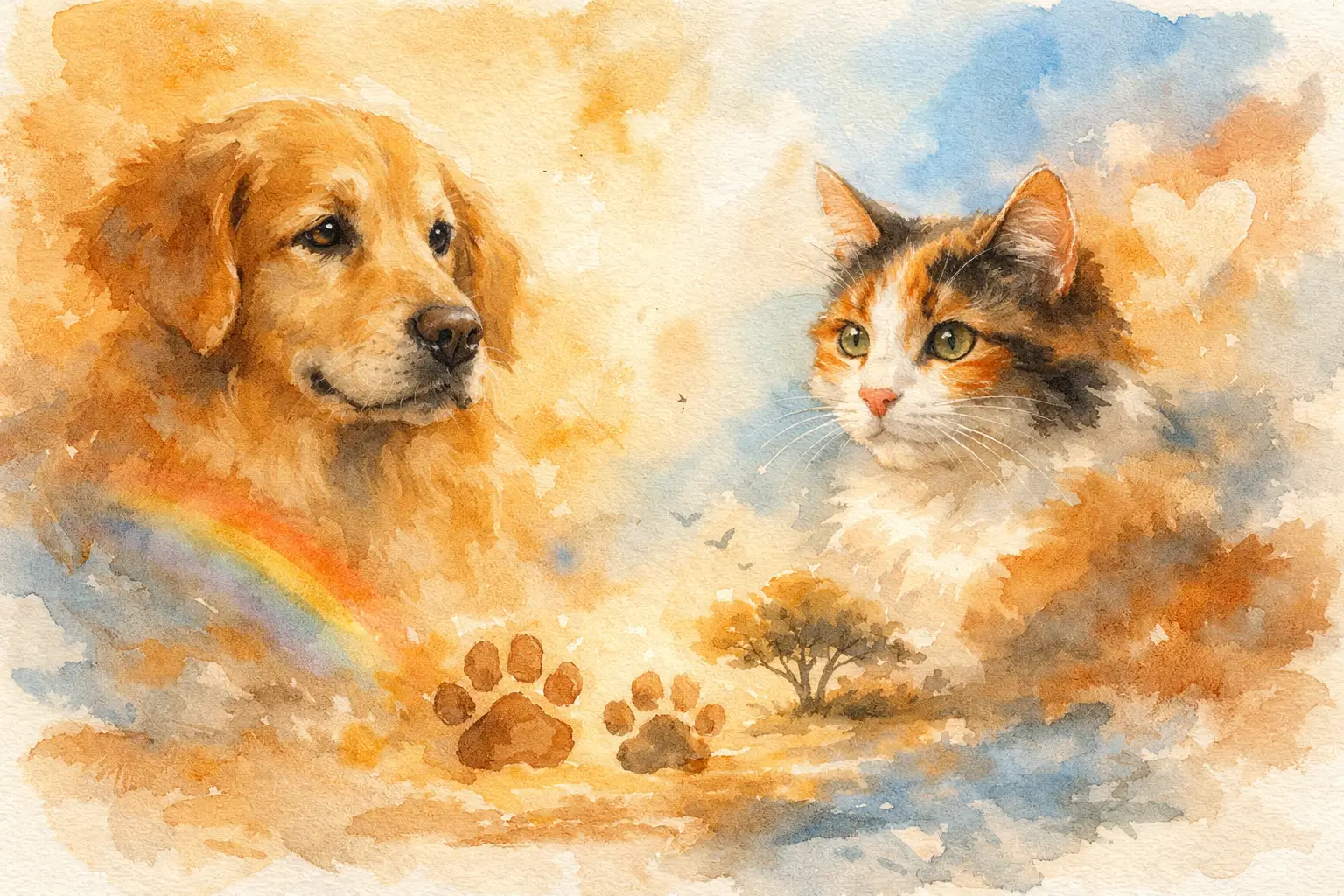
A framed photo on a shelf still matters. But the most meaningful pet memorial trends today are moving beyond a single image and toward something more personal - a tribute that reflects a pet’s spirit, the life you shared, and the way you want to remember them.
That shift says a great deal about how people see their animals now. Pets are family, daily companions, steady comfort, and part of the rhythm of a home. When they are gone, many owners are not looking for a generic token. They want something beautiful, specific, and emotionally true. Memorial choices are becoming less about convention and more about connection.
Why pet memorial trends are becoming more personal
The biggest change is not style. It is intention.
People want memorials that feel like an extension of their relationship with their pet, not just an object chosen in a moment of grief. That means more attention to personality, more care around aesthetics, and more interest in keepsakes that can live naturally in the home. A memorial is no longer expected to look solemn to be meaningful. In many cases, the most moving tributes are the ones that quietly celebrate a pet’s presence rather than focus only on loss.
There is also a growing preference for pieces that offer comfort without asking for a major emotional performance every time you see them. Some people want a private ritual. Others want art they can pass every day in the hallway or living room and feel warmth rather than heaviness. That is shaping the direction of memorial design in a very real way.
The rise of memorial art over traditional keepsakes
One of the clearest pet memorial trends is the move toward art.
Art carries memory differently than a standard remembrance item. It invites interpretation, mood, and feeling. A well-made portrait can preserve the alert tilt of an ear, a favorite expression, or the softness someone remembers from years of companionship. It gives grief a visual form, but it also gives love one.
This is especially true when the artwork feels elevated enough to deserve a permanent place in the home. People increasingly want memorial pieces that look intentional and refined, not separate from the rest of their space. Museum-quality watercolor portraiture fits that desire because it feels gentle, timeless, and dignified. It can honor a pet in a way that is emotionally rich without becoming visually overwhelming.
There is also a practical reason art has grown in importance. A portrait can be printed, framed, gifted to family members, or saved digitally across devices. It offers flexibility, which matters when grief is personal and timelines vary. One person may want a print right away. Another may need time before displaying anything. Good memorial art allows both.
Soft, timeless styles are leading the way
A noticeable aesthetic shift is happening. Sharp, novelty-driven designs are giving way to softer styles with lasting appeal.
Watercolor, in particular, has become a strong choice because it feels graceful and emotional without feeling excessive. The texture suggests memory. The color feels light enough for everyday display. And the overall effect suits both celebration and remembrance. It does not demand attention through drama. It earns it through tenderness.
This matters because memorial pieces often stay with someone for years. Trends tied too closely to a specific look can feel dated quickly. Styles with restraint tend to endure. That is part of why people are choosing art that feels classic rather than overly customized in obvious ways. Personal does not have to mean loud.
Memorials that tell a story, not just show a face
Another of the most important pet memorial trends is storytelling.
Owners are no longer satisfied with a tribute that captures only physical likeness. They want the memorial to reflect character. Was this the dog who waited by the door every evening? The cat who ruled the windowsill in a patch of afternoon sun? The senior companion whose gentleness changed the entire home?
That desire is changing how people approach portrait creation. The strongest memorial art is often shaped by small, specific details that only the owner would know. That is what makes a piece feel true. The memorial becomes not just an image of the pet, but a reflection of the bond.
This is why guided portrait creation resonates so strongly. It gives owners room to describe what mattered most - expression, posture, coloring, mood, and the emotional memory attached to all of it. The result feels less like ordering a product and more like making a tribute. That distinction matters, especially in grief.
Instant creation matters more than people expect
There is a practical side to remembrance that often gets overlooked. Timing matters.
After a loss, some people want to create something immediately while memories feel vivid and the need to honor their pet feels urgent. Others may be preparing for a memorial gathering, a gift for a family member, or a quiet personal ritual. Waiting weeks or months can feel difficult when what someone really needs is a beautiful place to put their love now.
That is part of why self-directed portrait experiences are gaining ground. The appeal is not speed for its own sake. It is the ability to create in your own time, on your own terms, and with emotional privacy. For many pet owners, that sense of control is comforting. They can revisit a photo, refine how they want their pet remembered, and keep creating until the portrait feels right.
At Pet Legacy Portraits, that experience is designed to feel simple and personal. For $47, customers can create their own museum-quality watercolor pet portrait through a guided process, receive two downloads, and regenerate until the result feels true to the pet they love. That model reflects a broader shift in memorial culture - people want premium quality, but they also want authorship. They do not want to hand off the memory entirely. They want to shape it.
Living pet portraits and memorial portraits are blending
One subtle but powerful trend is that remembrance is no longer reserved only for after loss.
Many pet owners now create legacy portraits while their pets are still with them. Sometimes that choice comes from a desire to celebrate the present. Sometimes it comes from age, illness, or the quiet awareness that time is finite. Either way, the line between tribute and memorial has softened.
This is not morbid. It is loving.
Creating a portrait before loss can feel joyful, preserving a companion’s personality while daily life is still unfolding. Creating one after loss can feel healing, offering shape and beauty to memory. Both come from the same instinct: to honor a bond that matters. The best brands in this space recognize that emotional continuity and treat both moments with equal care.
Home display is becoming more refined
Another reason art-centered memorials are rising is that people want remembrance integrated into the home with elegance.
They are choosing pieces that belong in bedrooms, entryways, offices, and living areas without feeling out of place. This changes the standard for memorial quality. If something will be seen every day, it needs to feel visually worthy of that place. Print-ready portrait files and polished composition matter because the memorial is not being tucked away. It is being invited into daily life.
There is a trade-off here. Some people still prefer deeply private keepsakes that remain stored or only come out at certain times. Others find more comfort in visible remembrance. Neither choice is better. It depends on personality, grief style, and the role the pet played in the household. But across both preferences, there is a growing expectation that memorial pieces should feel beautiful enough to keep.
The future of pet memorial trends is quieter and more meaningful
The next wave of pet memorial trends will likely be less about novelty and more about intimacy. People are becoming more selective. They want fewer keepsakes, but better ones. They want memorials that hold emotional weight and aesthetic value at the same time.
That points toward portraits, custom storytelling, and legacy pieces created with intention. It also suggests that owners will continue choosing experiences that let them participate in the creation itself. When someone knows their pet better than anyone, it makes sense that the most meaningful memorial would carry their own choices, their own words, and their own sense of what feels right.
A pet’s memory deserves more than a placeholder. It deserves care, beauty, and enough room for personality to remain present. When a memorial feels personal, it does not just mark a loss. It keeps love visible.