9 Ways to Preserve Pet Legacy Beautifully
June 9, 2026
Discover ways to preserve pet legacy with portraits, keepsakes, rituals, and memory projects that honor your pet with beauty and lasting meaning.
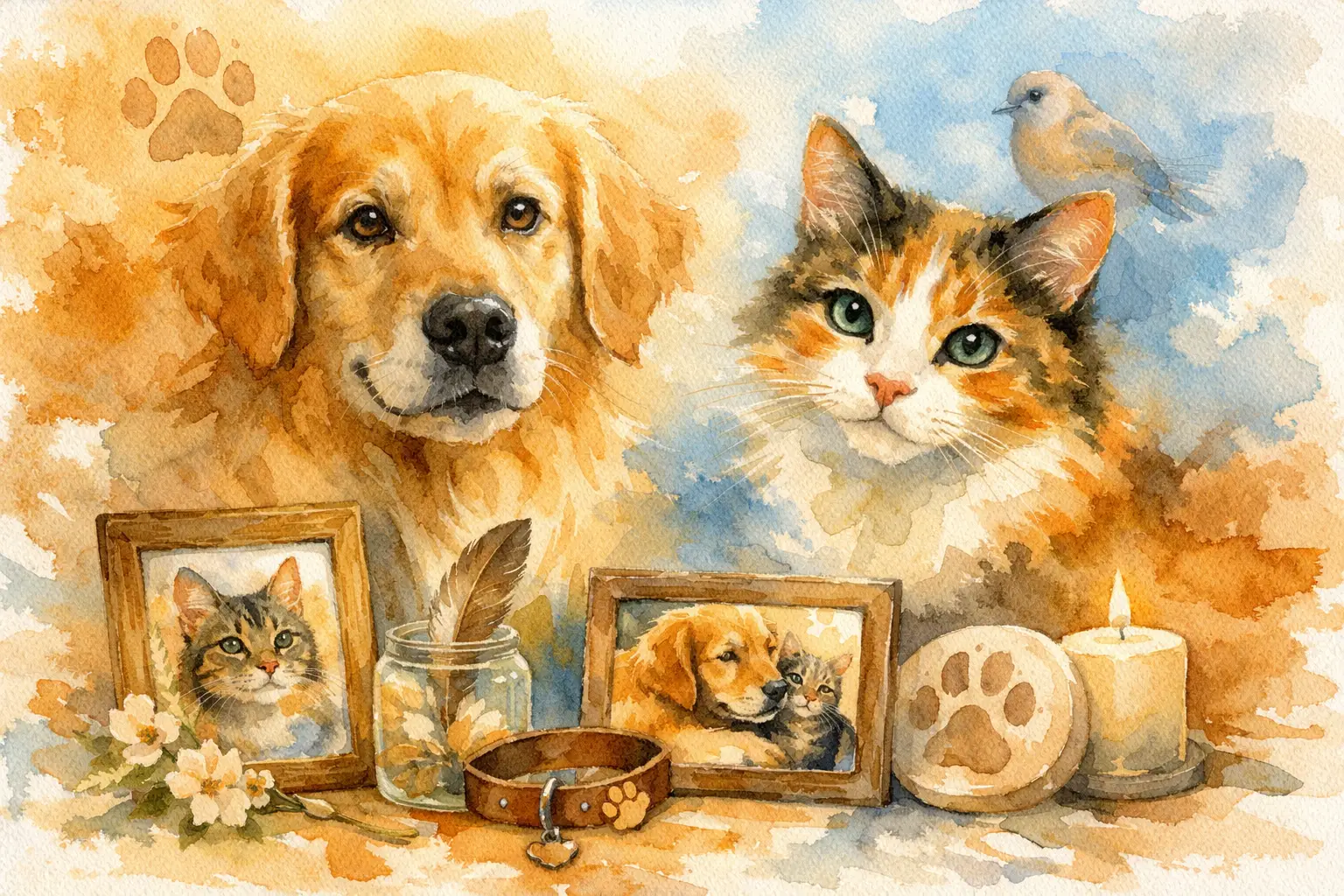
A leash by the door, a favorite chair, a name you still say without thinking - pets leave a shape in daily life that does not disappear. That is why many families look for thoughtful ways to preserve pet legacy, not only after loss, but while a beloved companion is still here.
The most meaningful tributes tend to do two things at once. They hold memory, and they reflect personality. A generic keepsake may mark the moment, but a personal one keeps the bond intact in a way that feels true to your pet.
Why ways to preserve pet legacy matter
A pet's legacy is not only about grief. It is also about recognition. For many people, a dog, cat, or other companion animal shaped routines, milestones, holidays, and the emotional tone of home. Preserving that legacy gives those years a visible place in family life.
It can also bring comfort through form. Memories are powerful, but they are not always steady. A portrait on the wall, a printed album, or a small ritual in your pet's honor creates something you can return to. That matters whether you are celebrating a living pet or honoring one in memoriam.
1. Commission or create a portrait with real presence
Among the most lasting ways to preserve pet legacy, portraiture stands apart because it turns memory into a permanent visual object. A strong portrait does more than capture markings or breed. It should reflect expression, posture, and the quiet details that made your pet instantly recognizable to you.
Style matters here. Some families prefer realism, while others want something softer and more timeless. Watercolor portraiture, in particular, suits memorial and celebration pieces because it feels refined without becoming heavy. It can sit naturally in a living room, hallway, or bedroom as part of the home rather than as a temporary tribute.
This is also where practicality matters. Traditional commissions can be beautiful, but they often require a longer wait and a higher investment. A museum-quality digital watercolor portrait offers a different balance - polished artwork, faster turnaround, and the flexibility to print in the size and format you prefer. For many pet owners, that combination makes it easier to create something meaningful without delay.
2. Build a photo archive before moments are lost
Most people have hundreds of pet photos, but very few have an organized collection that tells a full story. Start by gathering images from your phone, old devices, text threads, and social media. Include ordinary moments, not just the best-composed ones. The sleepy afternoon photos and slightly blurry tail wags often carry the most feeling.
A useful archive usually includes a mix of close-up portraits, full-body shots, favorite places, and images with family members. If your pet is still with you, take a few intentional photographs now. Good natural light, a familiar setting, and one image at eye level can make all the difference later.
This archive can support future artwork, printed albums, memorial displays, or family gifts. Even if you do nothing else right away, organizing these images is one of the simplest and most valuable ways to preserve pet legacy.
3. Print your memories instead of leaving them on a phone
Digital storage is convenient, but memory feels different when it is visible. A framed print, a small photo book, or a set of fine art prints creates a physical connection that scrolling does not.
There is a trade-off, though. Casual print services are quick, but they may not do justice to an image or artwork you care deeply about. If the goal is a legacy piece rather than temporary decor, quality matters. Paper stock, color accuracy, and scale all affect how the tribute feels over time.
If you choose a digital portrait or curated photo set, having print-ready files gives you flexibility. You can create a single statement piece for your home or smaller framed gifts for family members who shared the bond.
4. Write down the details only you remember
Legacy is not made of images alone. It also lives in language - the nicknames, habits, routines, and strange little preferences that no one else would know. Write them down while they are still fresh.
This does not need to become a formal memoir. A single page can be enough. Note how your pet greeted you, what they did when they wanted attention, where they slept, how they sounded moving through the house. These details are often what people miss most because they are so specific.
If children were part of the relationship, invite them to contribute a memory too. Their perspective is often direct and deeply affecting. Over time, these written fragments can become part of a memory book or simply remain tucked beside a framed portrait.
5. Create a memorial space that feels elegant, not overwhelming
Some families want a dedicated place to honor a pet. Others hesitate because they do not want the space to feel too formal or too sad. The best memorial spaces are usually simple.
A portrait, a small framed photo, a collar, and perhaps a paw print or urn can be enough. The goal is not to display every object connected to your pet. It is to create one calm, intentional area where remembrance feels natural.
Placement matters. A bedroom shelf may feel private and comforting. A hallway console or living room bookcase keeps the pet woven into everyday home life. There is no single right choice. It depends on whether you want reflection, visibility, or both.
6. Turn everyday objects into keepsakes with meaning
Not every tribute needs to be large. Sometimes a small object carries the most emotional weight. A favorite tag, a well-worn bandana, a toy that survived years of play - these can be preserved in a shadow box or placed in a keepsake drawer with care.
The key is selectivity. Keeping everything can make remembrance feel cluttered and difficult. Keeping one or two items allows each object to hold its full meaning.
If your style leans minimal, pair one physical keepsake with one visual piece, such as a portrait or framed photograph. That balance often feels more elevated and lasting than a collection of many small items.
7. Celebrate a living pet before it becomes urgent
Some of the most meaningful ways to preserve pet legacy begin long before loss. Creating a portrait, printed album, or custom keepsake while your pet is still with you changes the emotional experience. It becomes an act of celebration, not only remembrance.
This can be especially valuable for senior pets. Waiting until after a loss may mean choosing from older, lower-quality photos or making decisions while grieving. Planning ahead gives you more control, better source images, and a gentler process.
It also lets your pet's legacy take shape as part of life now. A portrait displayed while they are still curling up beneath it carries a different kind of beauty.
8. Choose legacy pieces that can be shared across family
A pet often belongs to more than one person emotionally. Partners, children, parents, and even close friends may all want a way to remember the same animal. That is why flexibility matters when choosing a tribute.
Digital artwork can be especially useful here. One high-resolution file can become a framed print in one home, a smaller desk piece in another, or part of a printed memorial album for family. It gives people room to remember in their own way without reducing the tribute's quality.
For those looking for an elegant option, Pet Legacy Portraits offers museum-quality AI watercolor pet portraits designed for both celebration and in-memoriam tribute. The appeal is clear - custom artwork with a refined style, print-ready digital delivery, and a faster timeline than many traditional commissions.
9. Let ritual be part of remembrance
Not every legacy object has to sit on a shelf. Some legacies are preserved through repetition. Lighting a candle on an adoption anniversary, visiting a favorite walking path, or making a yearly donation in your pet's name can carry real meaning.
Ritual works differently for everyone. For some, it softens grief. For others, it simply creates a quiet moment of gratitude. What matters is that it feels sincere rather than performative.
A visual keepsake and a simple ritual often work well together. One gives memory a place. The other gives it motion.
Choosing the right ways to preserve pet legacy for your family
The right tribute depends on what you need most. If you want something visible and lasting, portraiture and framed prints are often the strongest choice. If you are afraid of forgetting small details, writing and photo organization may matter more. If several people are grieving, shareable digital formats can be especially helpful.
There is also the question of timing. Some people want to create a legacy piece immediately. Others need space before choosing anything permanent. Both responses are valid. A rushed keepsake can feel impersonal, but waiting too long can mean losing access to photos, stories, or momentum.
The best choice is usually the one that feels both beautiful and manageable. A pet's legacy does not need to be preserved through one grand gesture. More often, it is held through a few well-chosen pieces that reflect love with clarity and care.
A lasting tribute should feel like your pet did - distinct, comforting, and impossible to mistake for anyone else.