A Dog Memory Portrait That Feels Like Them
October 11, 2026
Create a dog memory portrait that honors the habits, expression, and quiet place your companion holds in your life, with enduring watercolor art to keep.
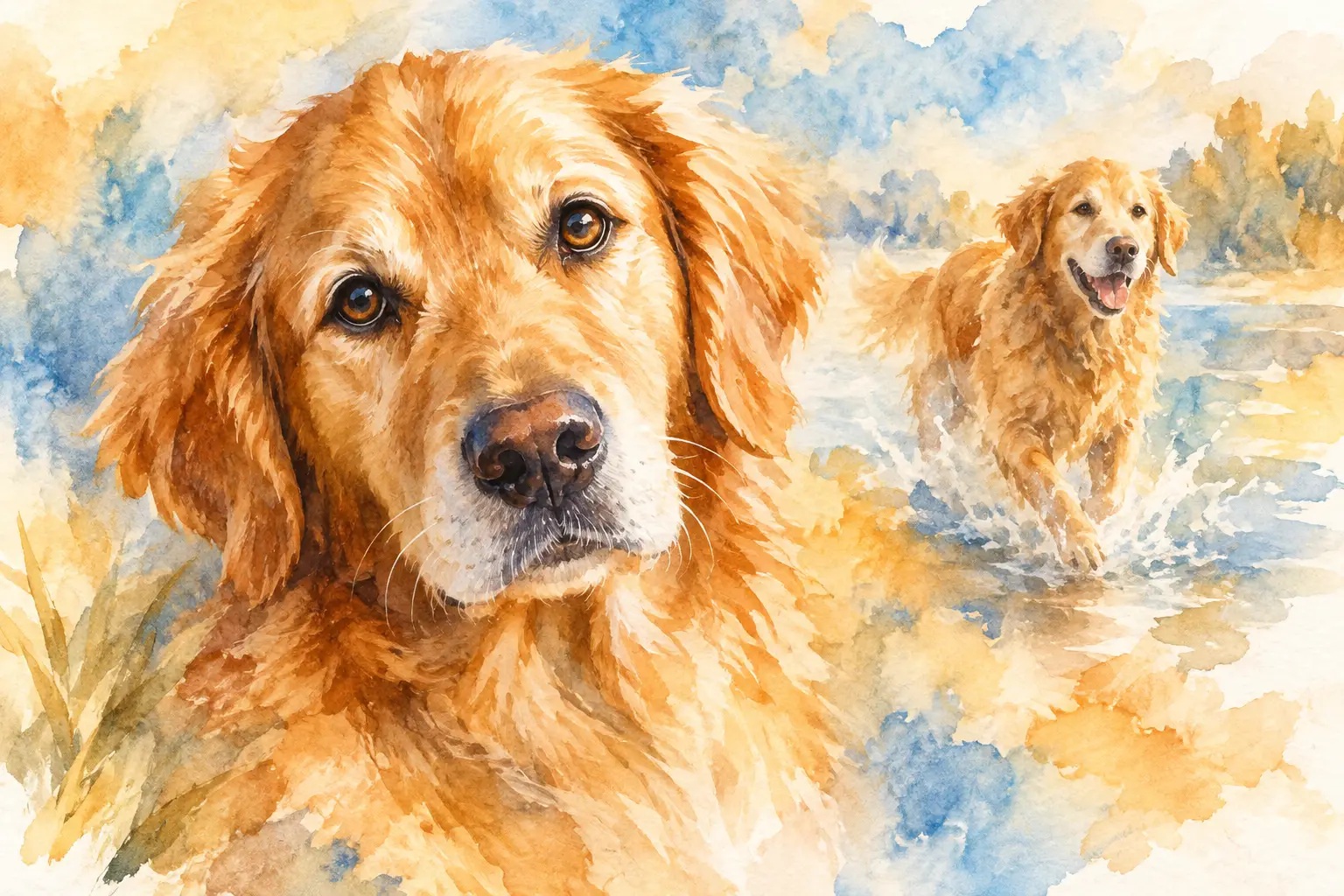
A dog memory portrait is more than a beautiful image of a beloved companion. It is a way to hold onto the expression you knew by heart: the expectant look before a walk, the ears that lifted at a familiar sound, the calm presence that made a house feel like home. Whether your dog is still at your side or remembered with tenderness, the most meaningful portrait begins with what only you can provide - the details that made them unmistakably themselves.
What Makes a Dog Memory Portrait Feel Personal?
A photograph can capture a moment. A memory portrait can carry the meaning behind it. The difference is often found in small, honest details: a gentle gray muzzle, one ear that never quite stood up, a favorite bandana, or the bright, watchful eyes that seemed to understand every word.
The goal is not to make a dog look polished beyond recognition. It is to create a lasting likeness that feels emotionally true. For some families, that means honoring a senior dog exactly as they were in their later years, silver fur and all. For others, it means celebrating a lively companion in the season of life when their personality shone most vividly.
A museum-quality watercolor style is especially suited to this kind of remembrance. Its softness gives the portrait warmth and presence without making it feel overly formal. The result can belong naturally in a cherished room, a quiet reading corner, or a place set aside for reflection.
Begin With the Memory You Want to Keep
Before choosing a photo, pause over the feeling you want the portrait to preserve. This does not need to be a grand story. Often, the clearest memories are ordinary ones: your dog waiting at the door, sleeping in a sunlit spot, greeting everyone with a toy in their mouth, or resting their head on your knee at the end of the day.
For a living dog, a portrait can be a celebration of the joy that is present now. It recognizes that the little routines you share are not little at all. For a dog being honored in memoriam, the same process can create space for remembrance. It allows you to choose how they are held in your family story: playful, dignified, curious, gentle, devoted, or wonderfully mischievous.
There is no right emotional tone. Some people want a portrait that brings an immediate smile. Others want one that feels peaceful and grounding. A meaningful result comes from choosing what is true for you, rather than what you think a memorial should look like.
Let Their Personality Guide the Portrait
Your pet’s personality is the part no camera settings can fully explain. Consider the qualities that friends and family would recognize instantly. Was your dog an old soul who watched the room with calm patience? A bold adventurer who could never pass a trail without investigating it? A devoted shadow who was always nearby?
These reflections help shape the portrait into something more intimate than a general breed likeness. A Labrador with a cheerful, open expression may call for a different feeling than a reserved rescue dog whose trust was earned slowly and deeply. Two dogs can share the same markings and still leave entirely different impressions.
This is where your role matters most. You are the creative force behind the portrait because you knew the habits, history, and heart of your companion. The image begins with your love and your point of view.
Choosing the Right Photo for a Dog Memory Portrait
The best reference photo is usually clear, well lit, and close enough to show your dog’s face without distortion. Natural light often reveals fur color and eye detail beautifully. A photo taken outdoors or near a window can work especially well, provided the face is visible and not hidden in heavy shadow.
Still, technical perfection is not everything. A slightly imperfect photo may be the right choice if it captures the expression that feels most familiar. Perhaps it shows the head tilt that appeared whenever you said a certain word, or the soft gaze that greeted you each morning. When a photo contains that essential recognition, it can be more valuable than a perfectly posed image.
Try to avoid images that are very dark, heavily filtered, blurry, or taken from far away. These can make it harder to preserve distinctive features such as facial markings, eye color, and the shape of the ears. If you are choosing between several photos, select the one that makes you say, without hesitation, “That is them.”
Details That Deepen the Story
Personal details can quietly transform the feeling of a portrait. A red collar worn for years, a familiar tag, or a favorite toy can be meaningful when it is part of how you remember your dog. The key is restraint. One or two details with genuine significance often say more than many decorative additions.
You may also wish to share a short description of your dog’s character. A few sincere words can be enough: “She loved the beach but hated rain,” “He believed every visitor came to see him,” or “She was gentle with children and fearless with squirrels.” These details help keep the portrait anchored in a real relationship rather than a generic image.
For a memorial portrait, it can be comforting to include a detail from a happy season of life. That choice does not erase loss. It simply honors the full life that came before it.
A Portrait Can Hold Celebration and Grief Together
Many people assume memorial artwork must be solemn. It can be, if that feels right. But love is rarely only one thing. A dog may be remembered through the ache of absence and through the laughter they brought into every day. A portrait can make room for both.
That balance is one reason a thoughtfully created watercolor portrait can be so meaningful. It offers beauty without asking you to hide the difficult parts of remembrance. It can be an acknowledgment that this companion mattered, that their place in the family was real, and that the bond continues to deserve care.
There is also no timetable for creating a memorial. Some people seek a portrait soon after a loss, while memories feel close and urgent. Others wait until they can look at photos with more ease. Both choices are valid. The right time is the time when creating something beautiful feels supportive rather than forced.
Give the Finished Portrait a Place in Your Life
A high-resolution digital portrait gives you the freedom to choose how the image will live with you. You might print it for a favorite room, keep it near family photographs, or create a private space where you can pause and remember. Some families choose a smaller print for a bedside table; others want a larger piece that becomes part of their home’s visual story.
Consider where the portrait will be seen and what you want it to offer in that space. In a living room, it may become a quiet celebration of a dog who was central to family life. In an office or bedroom, it may offer reassurance during harder moments. There is no need to make the portrait perform for guests. Its first purpose is to be meaningful to you.
When you create through Pet Legacy Portraits, your chosen photo and personal details are shaped into a print-ready, museum-quality watercolor portrait, delivered as a high-resolution digital file within five business days. The process is guided, but the story remains yours.
A dog’s life may be measured in years, but their presence is often felt in the lasting changes they make to ours. Choosing to preserve that presence is not about holding on to the past. It is about giving love a beautiful place to remain.