How to Honor a Pet With Art That Feels Personal
September 10, 2026
Learn how to honor a pet with art that reflects their spirit, celebrates everyday love, and creates a lasting, print-ready keepsake for your home each day.
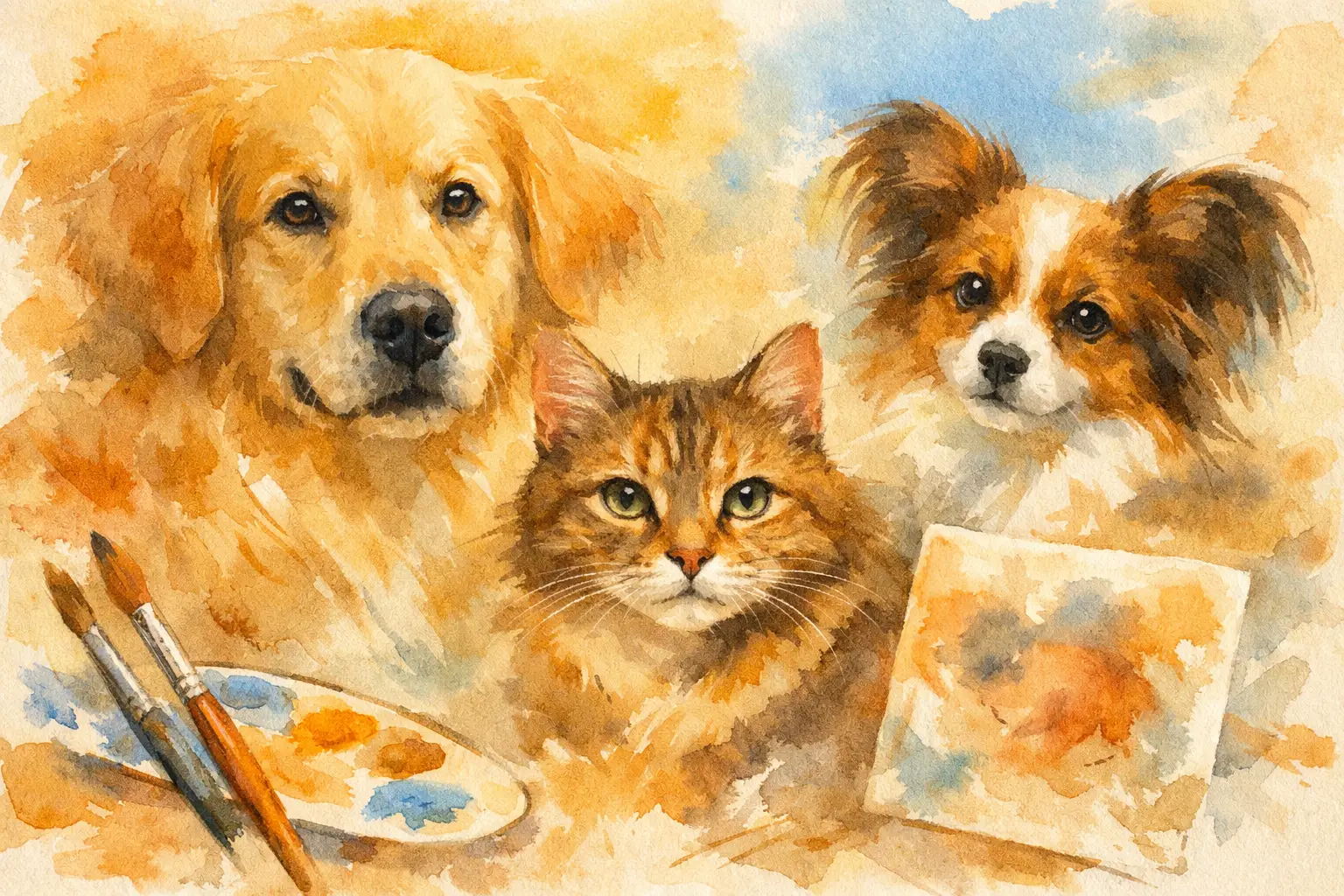
The small details are often the ones you miss most: the tilted head at the sound of a treat bag, the familiar spot at the foot of the bed, the bright look that made an ordinary walk feel like an occasion. To honor a pet with art is to give those details a place to stay. It can be a joyful celebration of the companion still beside you, a tender way to remember one who has passed, or both at once.
A meaningful portrait is not simply about reproducing fur color or getting the markings right. It is about choosing how your pet will be seen and remembered: alert, dignified, mischievous, gentle, beloved. When you bring intention to that choice, the finished piece becomes more than an image. It becomes a lasting expression of the life you shared.
Why Pet Art Carries More Than a Likeness
Pets shape the rhythm of a home. They greet us at the door, notice our difficult days, make us laugh without trying, and ask for very little beyond our presence. A photograph preserves a moment, which is valuable. Art can preserve a feeling.
That distinction matters, especially when the portrait is meant for remembrance. A carefully considered watercolor portrait can soften the boundaries of a single photograph and make room for the whole relationship. The familiar ears, eyes, stance, and coloring remain recognizable, while the finished image carries the warmth and grace that memory often gives a beloved pet.
For a living pet, art can be a celebration without waiting for a milestone. There is no need to reserve meaningful keepsakes for goodbye. A portrait of the dog who follows you from room to room or the cat who rules the sunny corner of the house says that this everyday companionship matters now.
Start With the Story You Want the Portrait to Hold
Before selecting a photo or imagining a finished piece, pause over one question: what do you most want to remember about your pet?
The answer may be their joyful energy, their quiet steadiness, or the particular dignity they seemed to possess. Perhaps it is the way their face changed when they heard your voice. Perhaps it is the comfort they gave you during a season no one else fully understood. This is not an exercise in getting the words perfect. It is a way to identify the emotional center of the portrait.
A pet's personality should guide the feeling of the artwork. A bright, curious puppy may suit a portrait that feels light and playful. A senior dog with soulful eyes may call for something calmer and more reflective. A cat known for elegance and independence may be best represented with a clean, composed presence. The goal is not to fit your pet into a style. It is to let the portrait reflect who they were to you.
Let one memory lead
Choose one memory that instantly brings your pet close. It could be a beach walk, a favorite chair, a morning ritual, or a look they gave you hundreds of times. Even if that scene does not appear literally in the portrait, it can guide the mood you choose.
This is particularly helpful after a loss, when there may be many emotions competing for space. You do not have to tell the entire story of your pet's life in one image. Let one true memory lead you toward an image that feels peaceful and right.
Choose a Photo That Feels Like Them
The most technically polished photo is not always the most meaningful one. A clear photo is helpful, particularly one where the face, eyes, and distinctive markings are visible, but emotional recognition matters just as much. Look for the image that makes you say, “That is them.”
A close, well-lit image often gives a portrait the strongest foundation. Natural light can reveal the softness of a coat and the depth of the eyes without harsh shadows. Photos taken at your pet's eye level also tend to feel intimate, because they meet the viewer in the same way your pet did.
Still, perfection is not required. A favorite photo may be slightly imperfect and remain the right choice because it captures a familiar expression. If you are deciding between a crisp image that feels formal and a less polished image filled with personality, consider the purpose of the portrait. For a lasting legacy piece, the emotional truth usually deserves more weight.
Honor a Pet With Art Through Thoughtful Choices
The choices surrounding a portrait are part of what makes it personal. You know your pet better than anyone else. You know whether their most recognizable feature was the white patch on their chest, one folded ear, a serious gaze, or the joyful way they seemed unable to sit still.
Share the details that matter. Describe the qualities you hope the portrait will carry. A guided portrait experience gives your memories a clear place in the creative process, so the final work is shaped by your love rather than reduced to a generic likeness.
Watercolor is especially well suited to this kind of remembrance and celebration. Its softness allows the image to feel refined without becoming distant. It can hold detail while leaving room for atmosphere, which is why it often feels at home in spaces where you want beauty, calm, and connection.
A museum-quality digital watercolor portrait also gives you flexibility after it is complete. With a high-resolution, print-ready file, you can choose the size, paper, and placement that suit your home and your intentions. A small framed portrait on a bedside table can feel private and close. A larger print in a living room can make your pet's presence part of the home they helped create.
Memorial Art Does Not Have to Look Sad
When a pet has died, many people worry that creating a portrait will make grief sharper. Sometimes it does bring tears. That does not mean it was the wrong choice. Grief and gratitude often arrive together, especially when the bond was deep.
Memorial art can offer a gentle place for both. It does not ask you to move on or make the loss smaller. Instead, it gives love a visible form. A portrait can remind you that your pet's life was not defined by its ending, but by the years, routines, laughter, comfort, and devotion that came before it.
There is no correct timeline for creating a memorial portrait. Some people feel ready soon after a loss because they want a way to mark the bond. Others need time before choosing an image. It depends on what feels supportive rather than pressured. The right moment is the one when seeing your pet beautifully represented feels more comforting than painful, or perhaps a little of both in a meaningful way.
Make Room for a Living Pet's Legacy Too
Legacy is not only about looking backward. A portrait made while your pet is here can be a way of noticing what is easy to take for granted: their presence, their odd habits, their absolute certainty that they belong with you.
This kind of artwork can also become part of a family's visual history. Years from now, it may remind you not only of your pet, but of the home, people, and season of life you shared. That is why a portrait created in celebration can carry as much depth as one created in memoriam.
Pet Legacy Portraits makes it possible to shape that tribute through a personal, guided process, with a high-resolution digital portrait delivered within five business days. The result is designed to be print-ready, enduring, and centered on the pet you know by heart.
Give the Finished Portrait a Place of Meaning
Where you display the artwork can change how it lives with you. A portrait near the entryway may feel like a daily greeting. One in an office can bring a familiar kind of calm to long workdays. A memorial portrait may belong beside a favorite photograph, collar, or other treasured object, though it does not need a formal setting to be meaningful.
Consider what feels natural rather than ceremonial. The strongest placement is often the place where you will actually see it: a wall you pass every morning, a shelf in the room where your pet spent the most time, or a quiet corner that invites reflection. Art becomes part of remembrance through repeated encounters.
The portrait does not have to carry every memory. It only needs to hold one honest expression of love. Choose the image that feels most like your companion, let their character guide the details, and give their place in your life the beauty it deserves.