Memorial Artwork Quality Review for Beloved Pets
October 7, 2026
Use this memorial artwork quality review to choose a pet portrait that feels true to their spirit, prints beautifully, and endures as a loving keepsake.
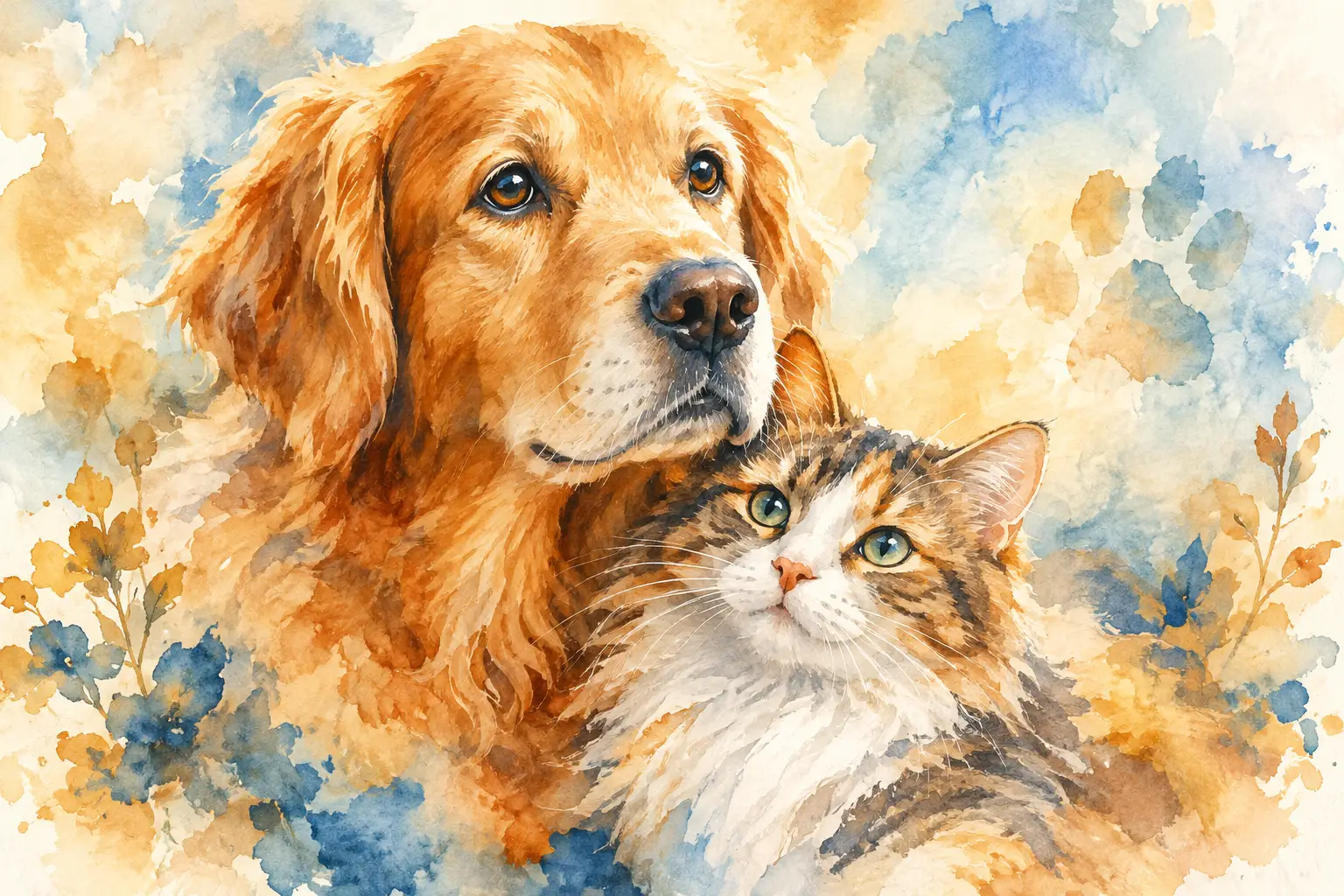
The right memorial portrait does more than resemble your pet. It brings forward the expression you knew by heart: the gentle tilt of a head, the bright watchfulness in their eyes, the particular softness that made them unmistakably yours. A thoughtful memorial artwork quality review helps you recognize the difference between an image that is merely attractive and one that feels worthy of the bond it represents.
When you are choosing artwork after loss, quality is not only about resolution or color. It is about emotional truth, visual care, and whether the finished piece gives you a peaceful way to keep your pet close. The best portrait should feel beautiful at first glance and continue to feel personal years from now.
What Makes Memorial Artwork Feel True
A meaningful memorial portrait begins with likeness, but it should not end there. A pet's markings, coat color, and proportions matter. So do the smaller qualities that photographs often reveal quietly: a curious gaze, a dignified posture, a playful spark, or the calm presence that filled a room.
Look closely at the eyes. They are often where a portrait either becomes recognizable or remains a generic animal image. The expression should feel alive with your pet's personality, not exaggerated into a version you would not recognize. A tender memorial piece does not need to make a pet look solemn. If they were joyful, mischievous, poised, or wonderfully silly, that spirit deserves a place in the artwork.
The same standard applies to living companions. Creating a portrait while your pet is beside you can be a beautiful act of celebration, and it may later become part of their legacy. Whether the portrait marks a life still unfolding or honors one deeply missed, the goal is the same: to preserve a presence that feels real.
Memorial Artwork Quality Review: The Details to Check
Before you choose a portrait service or approve a final file, consider how the artwork performs in the areas that matter most. These details shape whether the portrait feels polished, personal, and ready to keep.
A faithful, graceful likeness
Quality does not mean reproducing every stray hair with photographic precision. Watercolor artwork has room for softness and interpretation. What matters is that the essential features remain true: the shape of the ears, the coloring around the face, the build of the body, and the expression that made your pet distinct.
A graceful likeness also avoids visual distractions. Features should be balanced, paws and ears should appear natural, and markings should be placed with care. If something immediately feels unfamiliar, trust that response. You knew your pet better than anyone.
Color with feeling and restraint
Memorial art should have warmth, depth, and clarity without becoming overly dramatic. In watercolor, gentle layers of color can suggest the texture of fur and the softness of light while keeping the overall portrait refined.
Consider whether the palette supports the memory you want to hold. A clean, luminous background can keep the attention on your pet. Richer color can be lovely when it suits their personality or your home, but it should never overwhelm their face. The most enduring pieces feel intentional rather than heavily filtered.
Composition that gives your pet presence
A close portrait can make a pet's expression the heart of the piece. A fuller view may be right when posture is part of who they were - the proud sit, the long-legged stance, the familiar curl at rest. Neither approach is automatically better. It depends on the photograph and the memory you most want to preserve.
Space around the subject matters, too. A portrait should feel calm rather than crowded. When the composition is balanced, your eye returns naturally to your pet, and the artwork feels at home wherever you choose to display it.
Print-ready clarity
A memorial portrait often becomes something tangible: a framed print, a place of honor in your home, or a gift shared with someone who loved your pet. For that reason, a high-resolution digital file is not a minor detail. It is what allows your chosen artwork to retain its beauty when printed.
Ask whether the file is designed for high-quality printing and whether the colors and fine details will hold together at the size you have in mind. A portrait may look lovely on a phone screen yet appear soft or flat in print if the file is not prepared carefully. A print-ready file gives you the freedom to choose the paper, frame, and place that feel most fitting.
The Photo You Choose Shapes the Portrait
Your chosen photo is not simply an upload. It is the starting point for the story you are preserving. A clear image in natural light is often helpful, especially when it shows your pet's face, eye color, and markings. But the most technically perfect photograph is not always the most meaningful one.
Sometimes the image that matters most is slightly imperfect because it captures a familiar look. Perhaps it shows the way your dog waited by the door, or the serene expression your cat wore in a favorite sunlit spot. If you have several options, choose the photo that makes you say, “That is them.” That recognition is a strong guide.
Personal details add another layer of care. A favorite nickname, a few words about their temperament, or a cherished memory can help center the portrait on what made your pet irreplaceable. You are the creative force in this process because you carry the knowledge no image can hold by itself.
Why Museum-Quality Is More Than a Visual Claim
Museum-quality artwork should feel composed enough to live with for years. It has clarity from a distance, nuance up close, and a timeless style that does not depend on a passing trend. In a memorial portrait, that standard also includes emotional sensitivity.
The artwork should honor your pet without turning grief into spectacle. It should offer beauty without asking you to perform sadness. For some people, a soft watercolor portrait becomes a daily point of connection. For others, it is kept in a quieter place and revisited when the time feels right. Both relationships with memorial art are valid.
At Pet Legacy Portraits, you guide the portrait with your pet's photo and story, receiving a high-resolution watercolor artwork created for lasting print. The result should feel like a personal legacy object, shaped by the love and attention you bring to it.
Questions Worth Asking Before You Decide
A few clear questions can help you assess quality without making an emotional decision feel clinical. Does the sample work show pets with distinct expressions rather than repeated poses? Is the visual style elegant enough to remain meaningful over time? Will you receive a file suitable for professional printing? And does the process allow room for the details that mattered most about your companion?
Turnaround time matters as well, particularly when you are creating a tribute for a remembrance gathering or giving a portrait to a family member. Still, speed should not replace care. A timely delivery is valuable when it comes with a final piece that feels considered and complete.
A memorial portrait cannot replace the sound of a familiar bark, the weight of a cat settling beside you, or the routines that made a house feel alive. What it can do is give love a visible place to rest. Choose the artwork that lets you look at your pet and quietly feel, without hesitation, that they are remembered beautifully.